Hey30A AI


Trending Now
A Seat at the Table: Mahjong Finds a Home on 30A
At 30A Mahjong Studio, Kim Wright is creating a place to play, laugh, and feel at home.



Sign up for beach news and local updates—plus a chance to win a $500 30A gift basket. One winner each month!
At 30A Mahjong Studio, Kim Wright is creating a place to play, laugh, and feel at home.
By Amandeep K
For Kim Wright, mahjong began with a class, a best friend, and a summer challenge session. Eighteen months later, it has become a passion, a business, and, in her words, a kind of ministry.
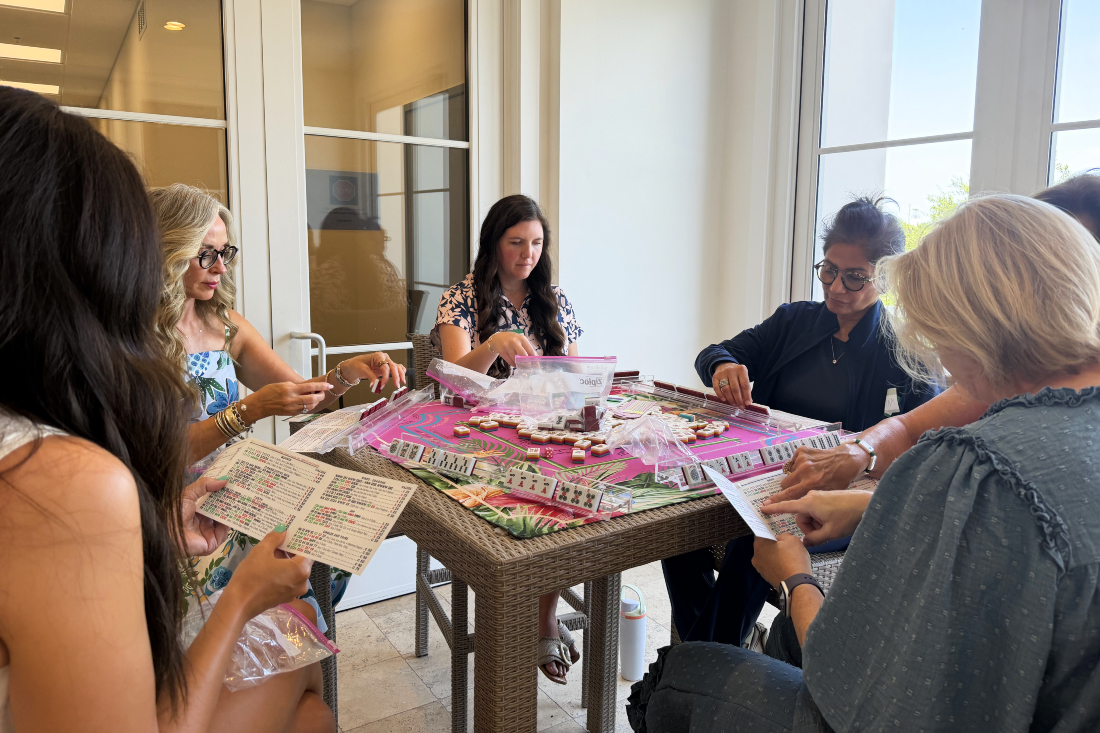
After years of coming and going from the Panhandle, Kim found that mahjong helped her feel more rooted here. Around a table, over a tile game that quickly became much more than a game, she met women who became close friends. They came from different places, different backgrounds, and different generations.
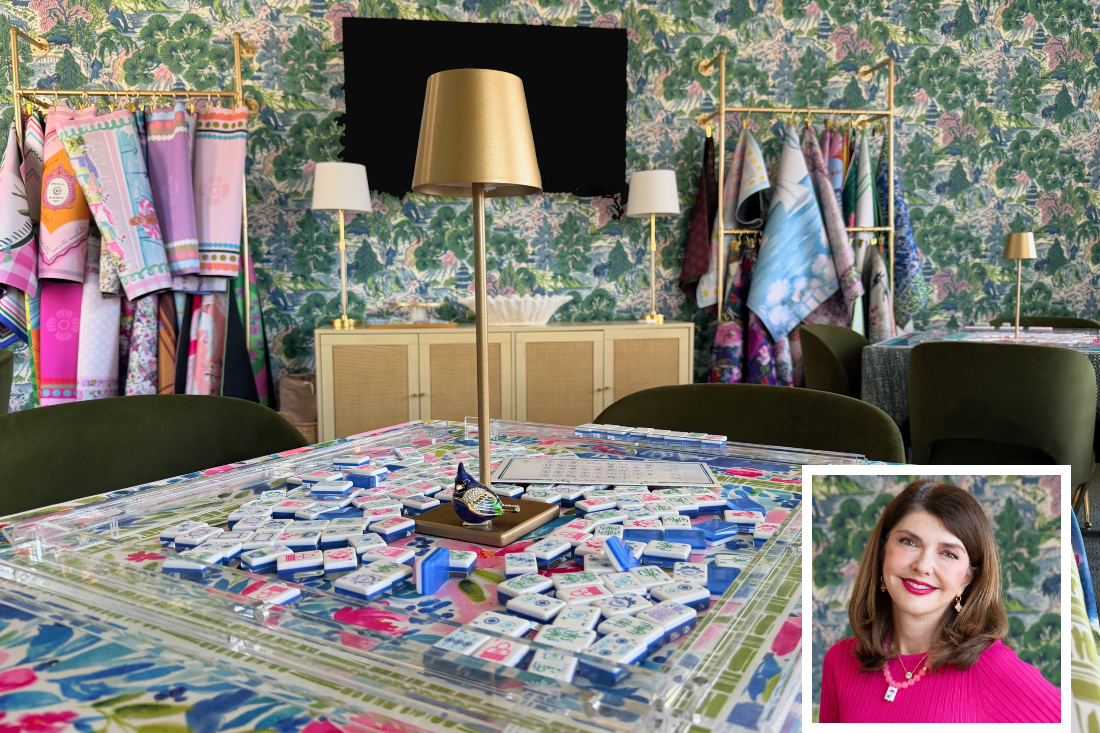
That experience sparked the idea for 30A Mahjong Studio, a welcoming place where players can book a seat, choose their tiles, sit down, and play without having to drive all over town or organize a group on their own.
As mahjong studios continue to open across the country, Kim believes the game is having a moment because people are craving something real: friendship, community, laughter, and a reason to gather.
We caught up with Kim to learn more about the story behind 30A Mahjong Studio, why the game is having such a moment, and how this new gathering place is bringing people together on 30A.
A friend first told me about a mahjong studio that had opened in Houston and said, “Kim, that would be something that would be great if we had it here.”
At the time, I was part of a wonderful social club that met at various locations around the 30A area. I loved the experience, but I saw an opportunity to create an additional place where people could gather in one convenient location, with plenty of parking, and enjoy the game together.
That was really the beginning of it. I saw how much joy and connection the game was creating, and I wanted to give that energy a permanent home here on 30A.
Mahjong changed my life in a really meaningful way.
My husband and I have had a home in the Panhandle for 10 years, but for a long time, we were coming and going. Then I took Mahjong 101 and 102 classes with my best friend and signed up for a summer challenge session.
During that session, I met women who became instant friends. We were sitting around a table, playing mahjong, talking about life, and laughing. It was such an easy, natural way to connect.
I already had good friends and a wonderful life, but mahjong brought a whole new circle of women into my world—women from all walks of life and all ages. Some were in their 30s, others in their 70s.
That’s what I want for the studio.
I want people to walk in and feel welcomed. I want them to come in happy, but leave even happier.
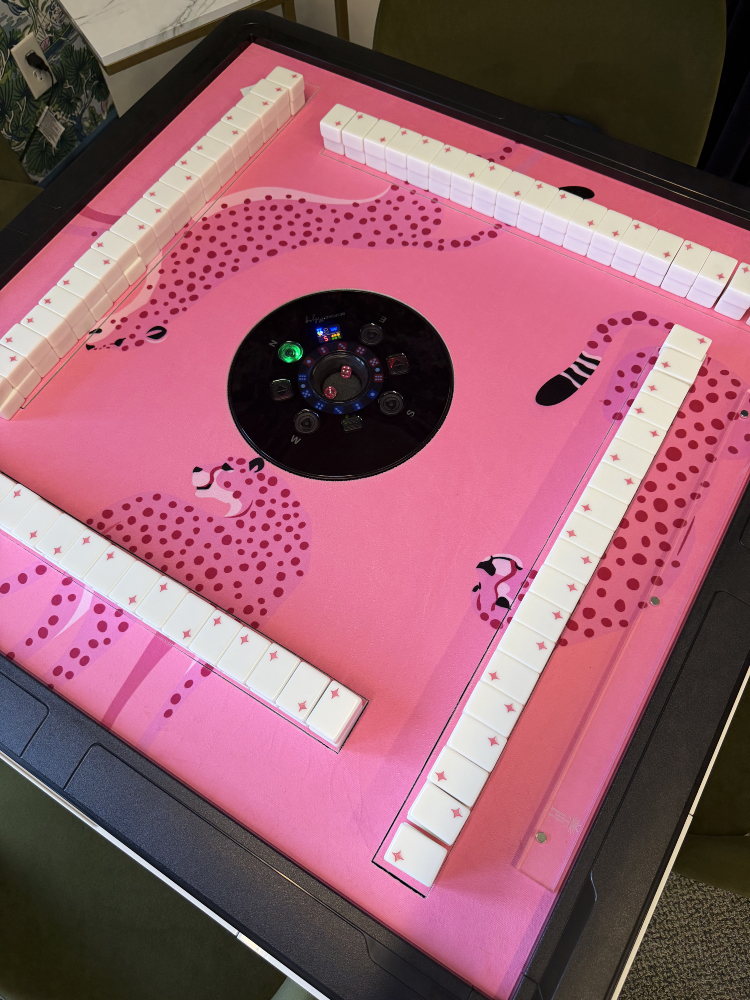
I think a big part of it is that mahjong gives people a reason to sit around a table together.
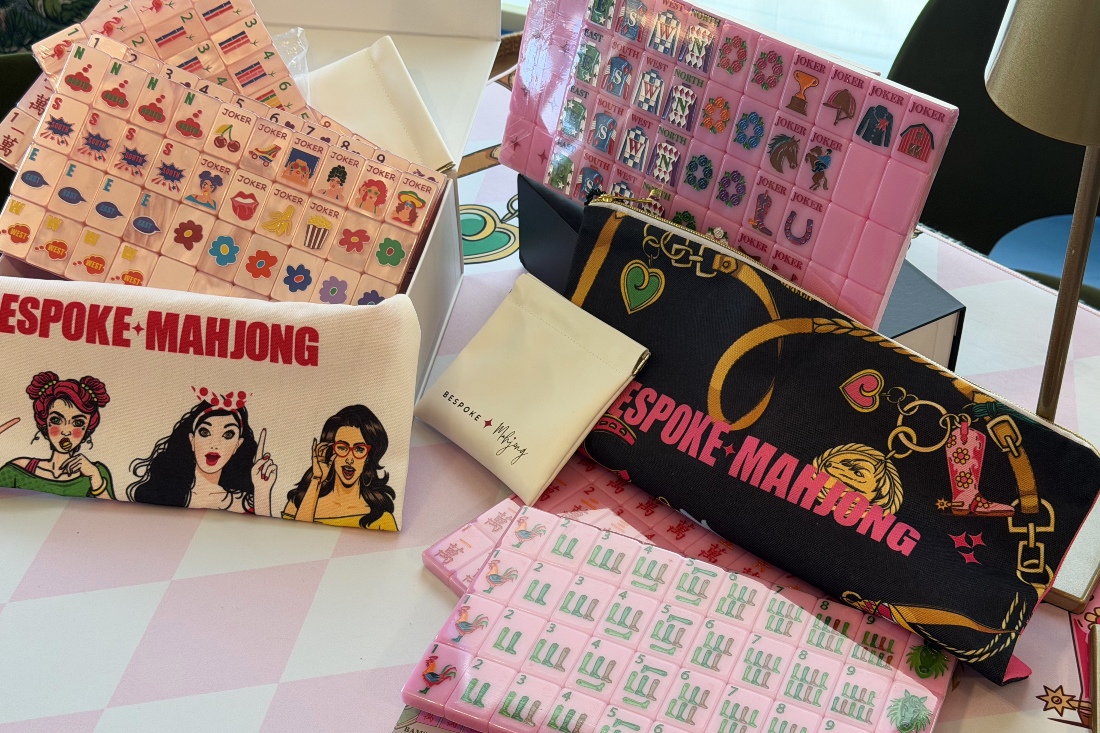
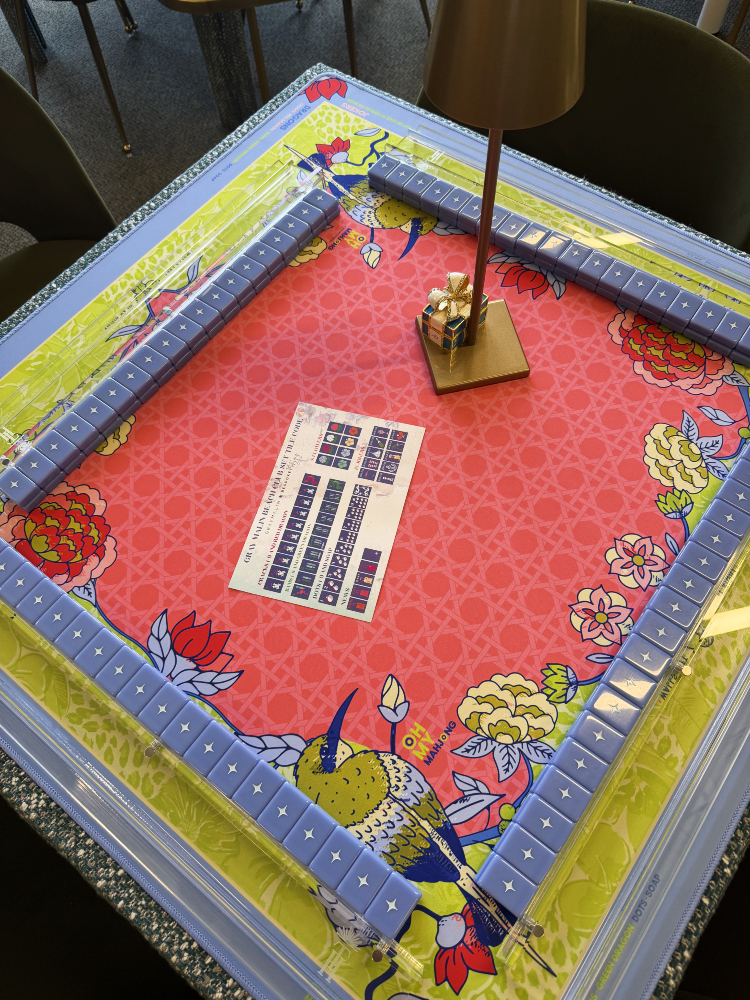
You pick up these beautiful tiles, you talk about the game, you laugh, and before long, it becomes about more than the game.
It is not an easy game at first. It can feel very overwhelming until you understand it. I have been playing for about a year and a half, and I am still figuring it out. You learn something new all the time.
But that is also part of what makes it interesting. Mahjong has history and tradition. I’ve met women who have been playing for 30 or 40 years, and women who learned from their mothers or grandmothers. I did not grow up with that experience, but I love that the game carries that sense of connection across generations.
I also think COVID had something to do with the resurgence. People were at home, and a lot of what some call “grandma hobbies” started coming back. Needlepoint became popular again. Mahjong feels similar. People pulled out sets that had belonged to their mothers or grandmothers and started playing again.
Women, and men too, are often busy working, raising families, caregiving, being parents, grandparents, partners, and friends. Somewhere in all of that, you lose that time to simply be with your people for a while.
Mahjong gives people that.
For me personally, because my mother had dementia and my grandfather had Alzheimer’s, keeping my brain active is very important.
Mahjong helps with that. You have to pay attention, use strategy, watch what other people are playing, and keep thinking. Your brain is working the whole time.
But I also think it creates relationships, and that is just as important. It is good for your mind, but it is also fun.
It can be competitive. There are serious players, competitions, and tournaments. My best friend and I would love to go to the mahjong convention in Vegas, but I am not sure I would play in a tournament. I talk too much.
I like to win, and I love to play mahjong, but for me, it is also about the laughter, the table, and the people.</span
Do not be afraid to say you don’t know.
There are a lot of tiles, and when you first look at all the suits—winds, flowers, bams, dots, cracks, dragons, and jokers—it can feel overwhelming. The cards and the tiles go hand in hand, so when someone is learning, they need both in front of them.
I am someone who has to do it to learn it. I can’t just read a manual online. I have to sit down and actually play.
After my first lessons, I still felt like I knew nothing. My best friend and I sat down with two women who had been playing for a while, and I was very honest. I told them, “I don’t know what I’m doing. If you don’t want me to sit here, that’s okay.”
And they said, “No, sit here. We’ll help you.”
That’s how you learn. You keep playing. You cannot beat yourself up because it feels overwhelming at first. Once it clicks, it clicks.
Yes. I did not realize beginner sessions would be such a big draw, but they are.
We recently had eight people in the studio learning to play, and we have a party in August with 16 people coming for a lesson. I like to keep it to about one instructor for every eight people, and I have some wonderful instructors who have been playing for a long time.
Mahjong is not just for one age group. It’s for women, men, co-ed groups, children, anyone who wants to learn.
I have even met young girls who play beautifully. There are companies now making mahjong sets specifically for children. It really is for everyone.
I think there are a lot of people here in different phases of life. Some have second homes. Some are seasonal residents. Some are full-time residents. Some have been coming here for decades with their children and grandchildren. Others have always dreamed of retiring near the bay or the beach.
This area is very diverse in that way. You have vacationers, longtime visitors, new residents, retirees, and people who are here for part of the year. Mahjong gives people a way to make a connection.
A lot of people are also bringing their mahjong experience here from other places where the game is already popular. And 30A is a place where people want to slow down. Mahjong fits that. It gives you a reason to sit, talk, laugh, and stay awhile.
I want people to walk in and feel safe, welcomed, and relaxed.
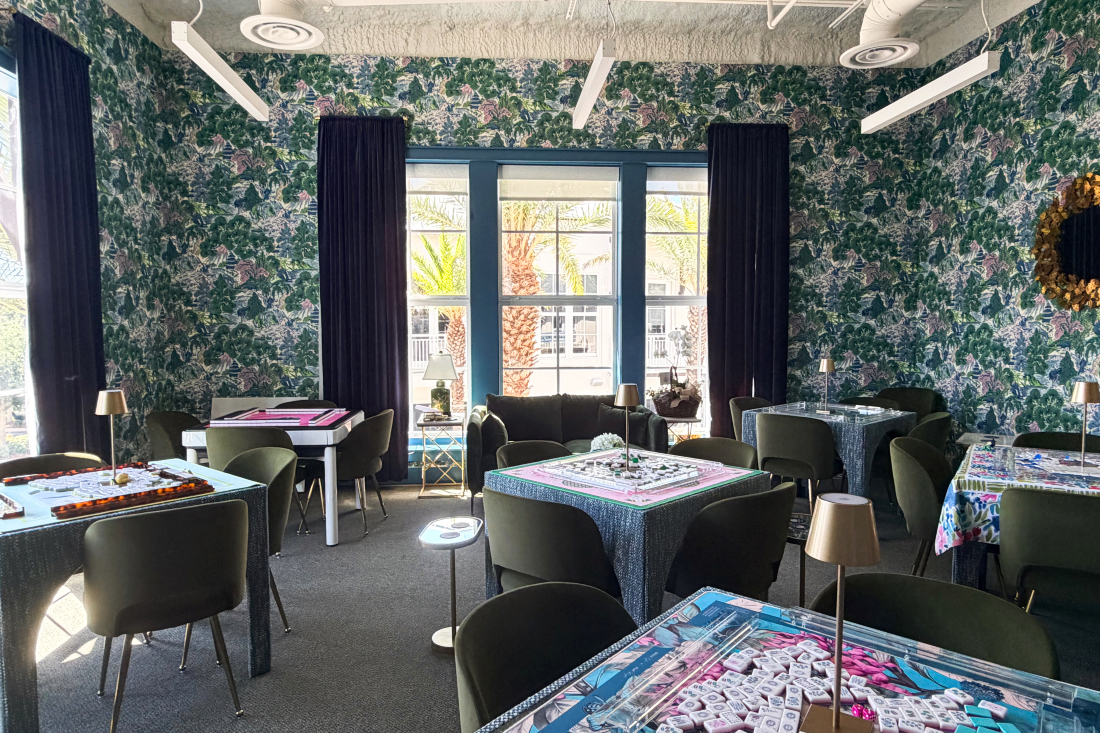
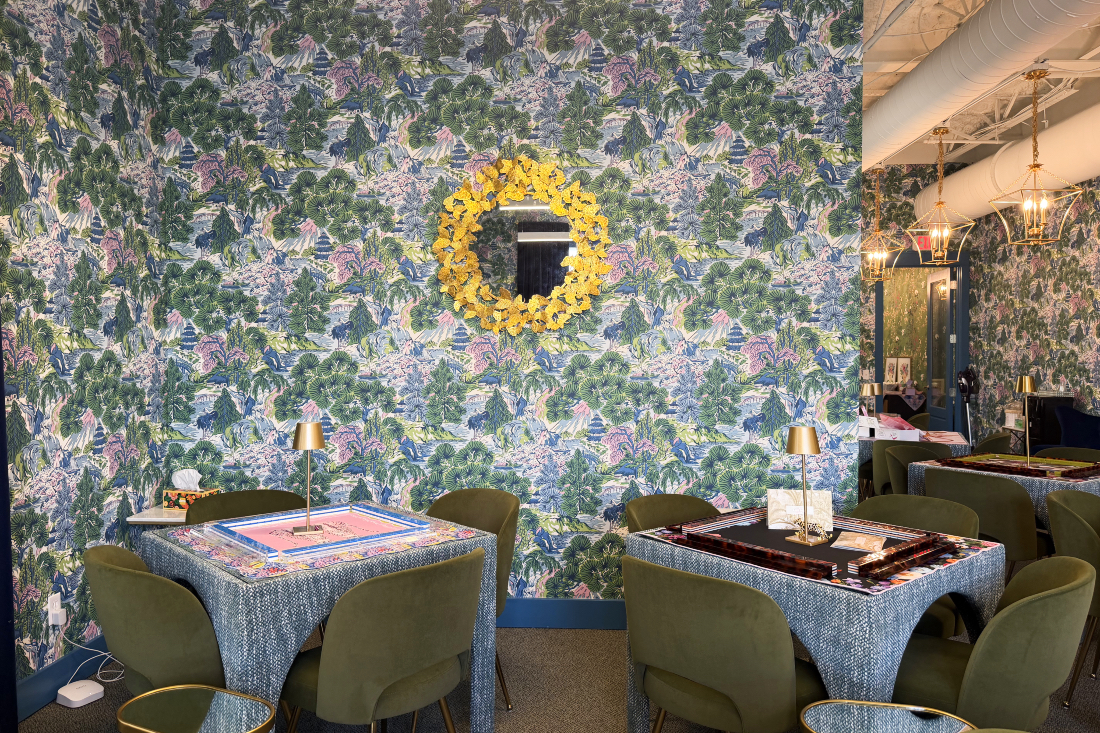
They can sit at a table, pick their tiles, choose their mat, and build their own tablescape. If they want something to eat, they can use a QR code and have it brought up. The whole idea is to make it easy and comfortable.
My vision is to create a ministry for people to come and play mahjong, make new friends, bring their friends, and enjoy two and a half or three hours together.
I want them to want to come back.
There’s no pressure. People can laugh and play. If someone asks, “Can we stay a little longer?” I say, “Sure, go for it.” If someone walks in without a booking and we have room, I want them to feel welcome.
I just want it to be a community. I am actually having the word “community” put on the window of the studio, because that is what this is becoming. It is this wonderful little community, and to me, that is the best part.
Mahjong has really changed my life. It is fun to talk about, fun to play, fun to look at the tiles and the mats, but more than anything, it brings people together.
And in the end, that is what Kim hopes 30A Mahjong Studio will be: not just a place to learn the game, but a place to feel welcomed, make friends, laugh for a few hours, and leave a little happier than when you walked in.
Studio hours are Tuesday and Wednesday from 10 a.m. to 5 p.m., Thursday from 10 a.m. to 8 p.m., and Friday and Saturday from 10 a.m. to 3 p.m. Sunday is reserved for members, and Monday is reserved for lessons and members.