Hey30A AI


Trending Now
Riding Out the Storm: Tropical Storm Isaias Updates & Hurricane Safety Tips
Expert tips to weather any storm! ⛈️🌀


Sign up for beach news and local updates—plus a chance to win a $500 30A gift basket. One winner each month!
Expert tips to weather any storm! ⛈️🌀
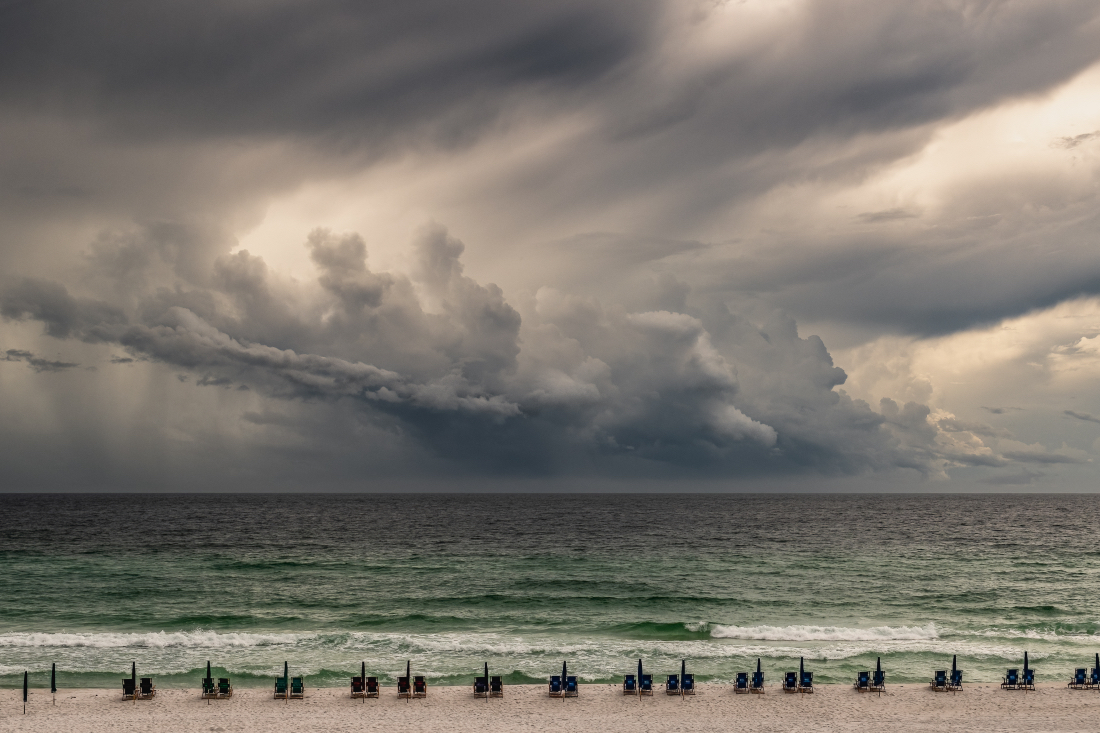
UPDATED: October 11, 2026: Recovery efforts continue across Walton County following Hurricane Isaias. As of Sunday morning, Choctawhatchee Electric Cooperative reported 39,081 members in Walton County still without power, with more than 500 linemen and 200 support personnel working on restoration. Residents are being urged to stay clear of downed power lines and give utility crews room to work.
In South Walton, a Point of Distribution at the Emerald Coast Boys & Girls Club in Santa Rosa Beach is providing water, ice and shelf-stable meals from 7 a.m. to 7 p.m.
For the latest verified road closures and reopenings, flooding, downed trees, debris, detours and other local hazards, Walton County Emergency Management recommends checking its real-time Perimeter Map.
UPDATED: October 10, 2026: Walton County moved into the early recovery and damage-assessment phase Saturday following Hurricane Isaias. Officials urged residents to stay off the roads unless absolutely necessary while first responders and emergency crews cleared downed power lines, debris and other hazards. Cell and internet service remained intermittent across parts of the county, and residents were asked to be patient as emergency calls were prioritized.
A Flash Flood Warning was also in effect for Walton County during the evening, with rapid flooding possible in low-lying areas. Residents and businesses with storm damage were encouraged to report it through the county’s damage-assessment forms, while crews continued clearing roads and preparing for debris collection.
UPDATED: October 9, 2026, 12:50 p.m.: Hurricane Isaias is closing in on Northwest Florida, with landfall expected early this evening. As of noon, the storm’s center was about 160 miles south-southeast of Fort Walton Beach, with conditions expected to deteriorate through the afternoon as stronger wind bands and heavier rain move inland.
Damaging winds, storm surge, flooding rain and isolated tornadoes remain the main concerns across Northwest Florida. Residents and visitors should complete any remaining preparations and continue following updates from local officials and the National Hurricane Center.
South Walton beaches are currently under double red flags, meaning the Gulf is closed to the public. Check the latest beach flag status here.
UPDATED: October 8, 2026: Isaias strengthened into a hurricane over the Gulf on Thursday and continued to intensify through the day, reaching maximum sustained winds of 100 mph by the evening.
The storm was expected to approach the northern Gulf Coast on Friday, with landfall possible late Friday or early Saturday in Alabama or the western Florida Panhandle. Forecasters cautioned against focusing too closely on the exact track, as strong winds, storm surge, heavy rain, flooding and tornadoes could extend well east of where the center ultimately comes ashore. Residents and visitors were encouraged to stay closely tuned to updates from the National Hurricane Center and local authorities.
UPDATED: October 7, 2026: Tropical Storm Isaias continues to strengthen in the Gulf, with maximum sustained winds now near 50 mph, and is forecast to become a hurricane as it approaches the northern Gulf Coast. South Walton is currently under a Hurricane Watch and Storm Surge Watch, with tropical-storm-force winds possible beginning Friday afternoon. Dangerous surf, rip currents, heavy rainfall, flooding, and storm surge are also possible as the system approaches.
Walton County is among 25 Florida counties currently under a state of emergency.
Residents and visitors are encouraged to closely monitor updates from the National Hurricane Center, Walton County Emergency Management and other local authorities, and to make appropriate preparations. Forecasts can change quickly, so continue checking back for the latest information.
Bookmark this page to stay on top of important 30A weather developments, including hurricanes, tropical storms, and other severe weather impacting Florida’s Northwest Gulf Coast.
It’s been said there are two things in life that are certain, and I am sure we are all familiar with that old saying. It’s also a reality for those of us who live on our beautiful coasts that Hurricane Season is the third certainty, and like taxes, we face it each year.
The Atlantic hurricane season runs from June 1 to November 30, while the Eastern Pacific hurricane season runs from May 15 to November 30.
Each year hurricanes are responsible for millions of dollars in land and property damages, and sadly bodily harm and deaths.
While some folks living in paradise take these stats in stride, it just makes good sense to be as prepared as possible for this unpredictable certainty.
The first thing most hurricane scientists and reporters want you to know is that if you are in the predicted path (aka “the cone of uncertainty”) of a hurricane, you should always pay close attention to continuous weather updates, recommendations, and instructions. These reports are available via TV, digital devices, and radios and are designed for one purpose: the safety of the citizens and the first responders who will take up the task of assisting those in crisis. It’s also important to remember hurricanes are not just a coastal problem. High winds, rain, flooding, and even tornadoes can occur inland from where a hurricane makes landfall. By paying close attention to the authorities, you will know your hurricane risks. The number one cause of loss of life in a hurricane is drowning, second to complacency. Take the reports seriously, and always follow the instructions of the authorities while prepping for a big hurricane. By following this rule you and your family will know your evacuation zone and be more prepared in case of a mandatory evacuation order.
• Blankets, clothes, and enough drinking water and non-perishable food for at least seven days for each family member, including pets.
• Important documents should be kept in the kit in a dry bag or plastic waterproof zip bag. Be sure you have your identification, passport, birth certificate, Social Security card, homeowners insurance papers, and pet vaccine records, or copies of these items in the kit.
• Cash and a battery-operated weather radio
• Flashlights or battery-operated lanterns, extra batteries, portable phone chargers, a whistle and other emergency essentials. If using a portable camp stove or generator, always operate it outdoors and well away from windows, doors and vents.
• First aid kit including hand sanitizer and hygienic wipes.
• A multi-tool item such as a Leatherman, which includes small essential tools and a sharp knife.
• A full tank of gas is recommended for each family vehicle
• In the event of a major hurricane, the installation of hurricane shutters should be considered.
• Consider additional emergency equipment appropriate for your household, such as a generator or portable power station, and always follow manufacturer safety instructions.
In the event of a power outage, your local power provider may already be aware. Stay far away from downed or sparking power lines and assume they are energized. Report downed lines to FPL at 1-800-4-OUTAGE (1-800-468-8243) or call 911 in an emergency.
It’s always a good idea to have a sticker or small placard on your doorway showing the number of occupants and pets residing in your home. Always remember, if you or someone you know is in immediate danger, or in case of fire, exit the premises and call 911. Remember your first responders will be taxed during a disaster; rest assured, if you help yourself, it will better prepare them to assist you in a true emergency.
If your local beach safety operations have a flag warning system, be sure you are familiar with all the flags and their meaning. For current South Walton Gulf conditions and beach flag updates, text SAFETY to 31279.
Double red flags mean the Gulf is closed to the public. A single red flag indicates high-hazard conditions, including high surf and/or strong currents. Always follow posted beach flags and instructions from local officials. Entering the Gulf during double red flag conditions is prohibited and may result in a fine or criminal charges.
If you decide to or are ordered to evacuate your residence, never attempt to drive through floodwaters. Remember: “Turn Around, Don’t Drown.”
Most counties have a little-known non-emergency phone number for non-life-threatening situations. It’s a good idea to have this number in your phone and use it accordingly in order to take the burden off of the 911 system as they deal with life threats.
While we all hope never to find ourselves or our loved ones in an emergency, the truth is, most people will at one time or another experience difficult or emergency times. Hurricanes are always something to be taken seriously when living on any coast. Stay calm, don’t panic, and make sure you are ready. There are several good organizations and websites to keep you updated and also help you to prepare in advance, so as not to get caught in the rush that an emergency can create (see below). Let’s all remember to help our neighbors and seniors too. In the meantime, enjoy the sunshine and stay safe!
Want to see what’s happening along the coast? Check out more 30A live beach cams here.