Hey30A AI


Trending Now
Alys Beach and SWFD Bring Back Professional Lifeguards for 2026
SWFD lifeguards return to Alys Beach!



Sign up for beach news and local updates—plus a chance to win a $500 30A gift basket. One winner each month!
SWFD lifeguards return to Alys Beach!
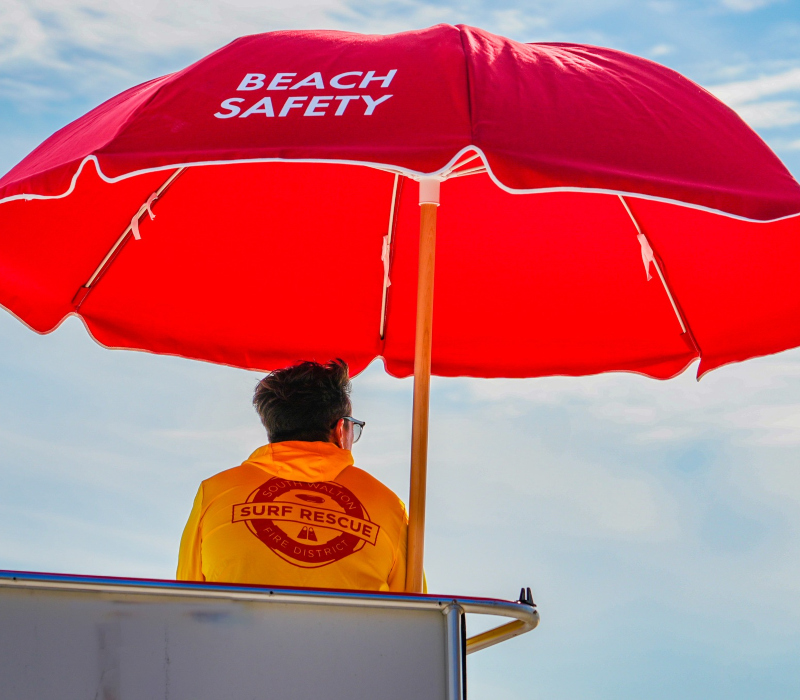
Beginning March 1, 2026, the Alys Beach Neighborhood Association (ABNA) will continue professional lifeguard services in partnership with the South Walton Fire District (SWFD), marking the second year of this enhanced beach safety program. The initiative reinforces ABNA’s commitment to safety and supports a more secure beach experience for homeowners and guests throughout the season.
SWFD is already a leading presence on South Walton’s shoreline, with a Beach Safety Division built for real-world emergencies.
Today, SWFD protects 26 miles of coastline from 18 lifeguard towers, staffed 10 a.m. to 6 p.m. daily during the March–October season.
Lifeguards train to USLA open-water standards, respond to medical calls and rescues, and work continuously to educate beachgoers about surf hazards and the flag warning system. SWFD also runs a six-week Junior Lifeguard Program for ages 9–16, designed to build confidence and foundational water-safety skills.
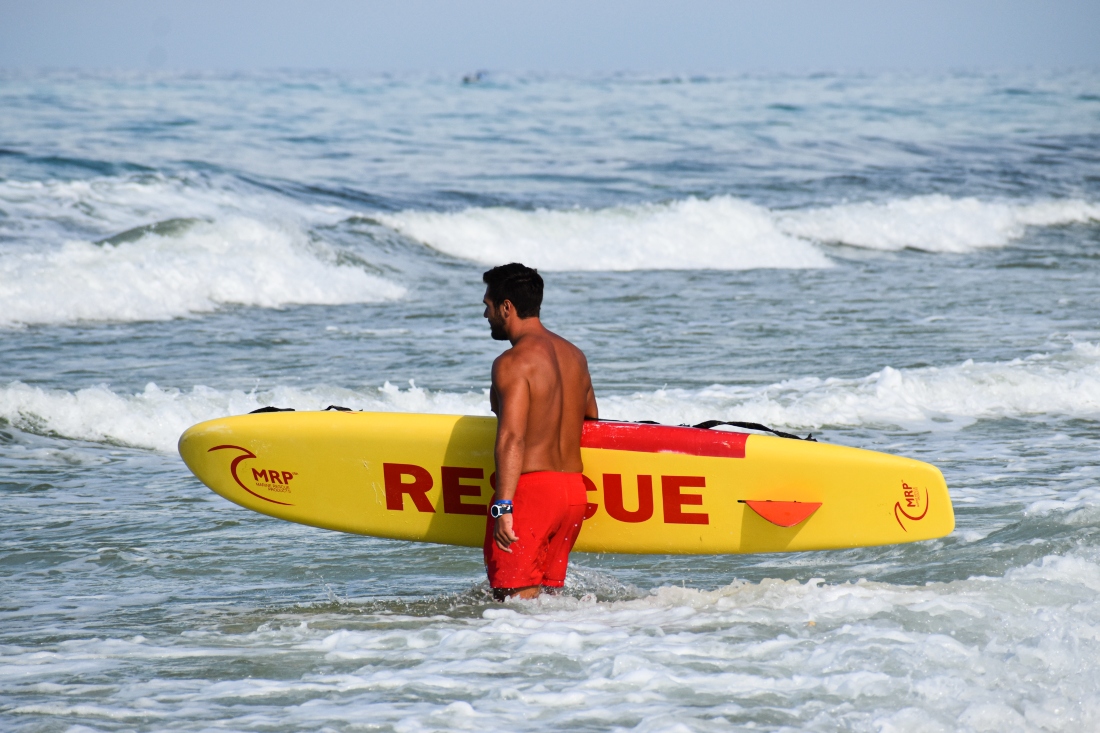
The Lifeguard season runs from March 1 to October 31, 2026.
Highly trained professionals: Lifeguards will be certified to the United States Lifesaving Association (USLA) open water standards and will complete more than 110 hours of SWFD training, including Emergency Medical First Response, CPR, and AED certification.
Lifeguards will monitor Gulf waters, educate beachgoers on water safety, and provide emergency medical response and water rescues when necessary.
This service is made possible by ABNA’s collaboration with SWFD to help create a safer, more enjoyable beach environment. ABNA appreciates your support in fostering a secure beach experience for all.
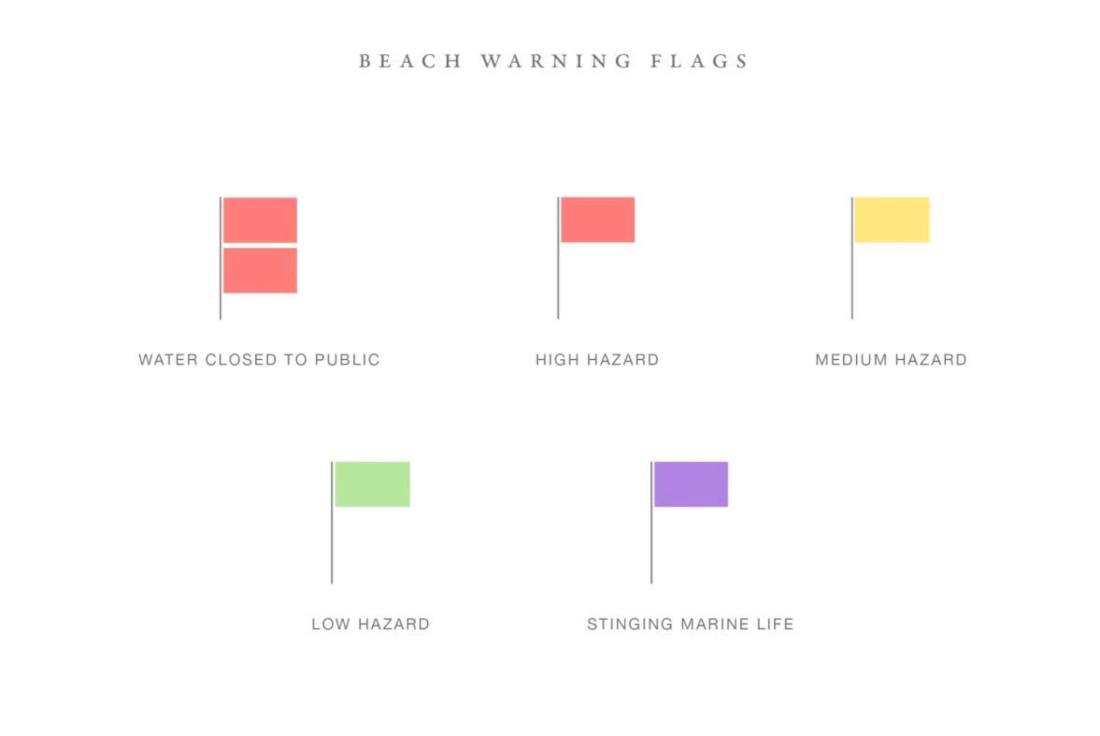
The Beach Flag Warning System alerts beachgoers to surf conditions and safety risks:
Green and yellow flags indicate calmer water conditions, but caution is still required.
Purple flags warn of dangerous marine life.
A single red flag means strong currents or high surf. Remember, “knee deep is too deep.”
Double red flags mean the water is closed to swimmers. Entering the Gulf during double red flag conditions is illegal and may result in a $500 fine and criminal charges under Walton County ordinance.