Buying a Home on 30A: A Local 30A Real Estate Guide
Allison Freeman of Christie’s International Real Estate Emerald Coast shares what buyers should know about purchasing a home on 30A.
By Geoff Nudelman
The communities along Scenic Highway 30A in South Walton County have long drawn visitors with their white-sand beaches, emerald Gulf waters, and distinctive coastal character. For many, however, a vacation here eventually leads to a bigger question: What does it take to buy a home on 30A? Allison Freeman, an agent with Christie’s International Real Estate Emerald Coast, explains the 30A real estate market.
The 30A real estate market spans vacation rentals, investment properties, second homes, and primary residences. These properties can serve as retreats, connections to the coastline, sources of income or equity, and legacies for generations to come. There are so many different reasons why buyers seek out 30A,” Freeman said, “but they all share a love for the unique culture that makes this area so special.
How to Choose Among 30A Beach Communities
Allison Freeman
Here’s something a lot of buyers don’t realize until they’re deep in the search: two homes can be less than a five-minute walk from each other yet still be worlds apart in price, character, and purpose. One might sit in a quiet, established neighborhood of primary residences. The other could be a resort-style property built for weekly vacation rentals. Same stretch of coastline, completely different market.
That’s what makes 30A so much fun to explore and why it’s so important to have a real estate agent who knows the nuances block by block, community by community, and can help buyers avoid wading through listings that don’t actually fit their goals,” Freeman said.
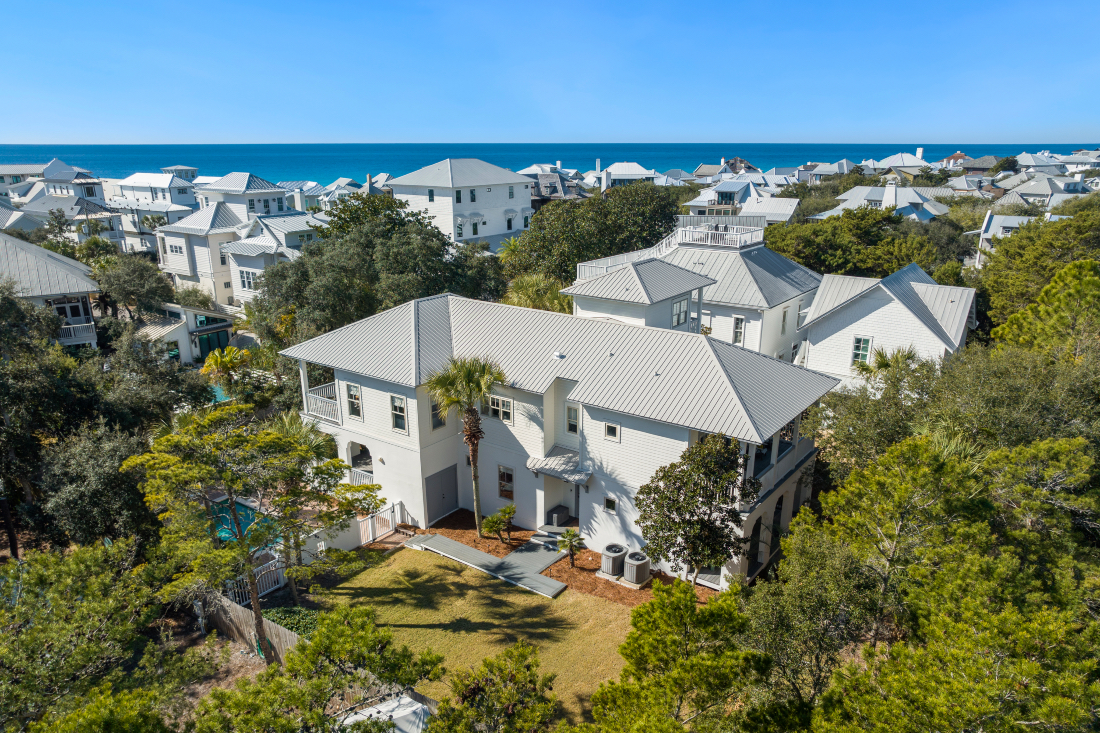
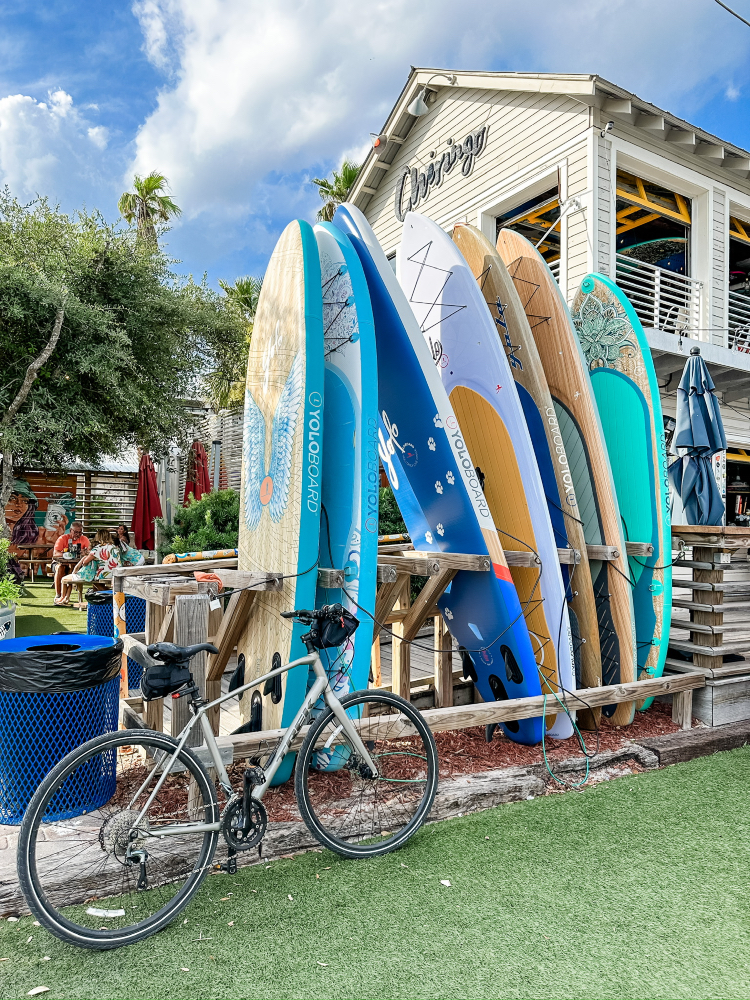
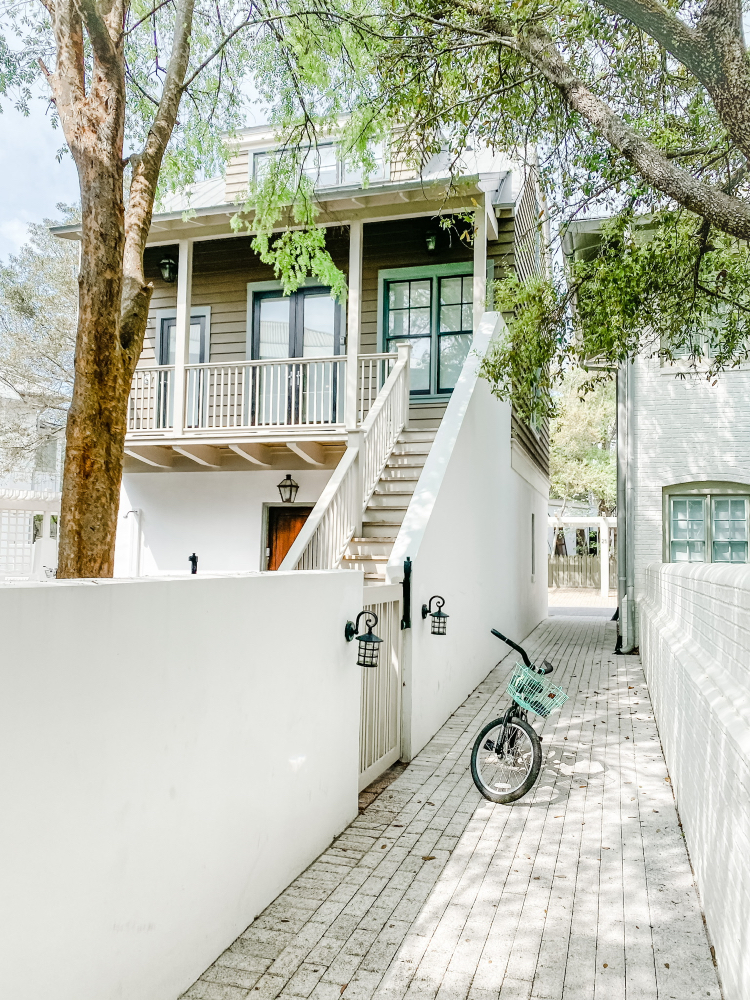
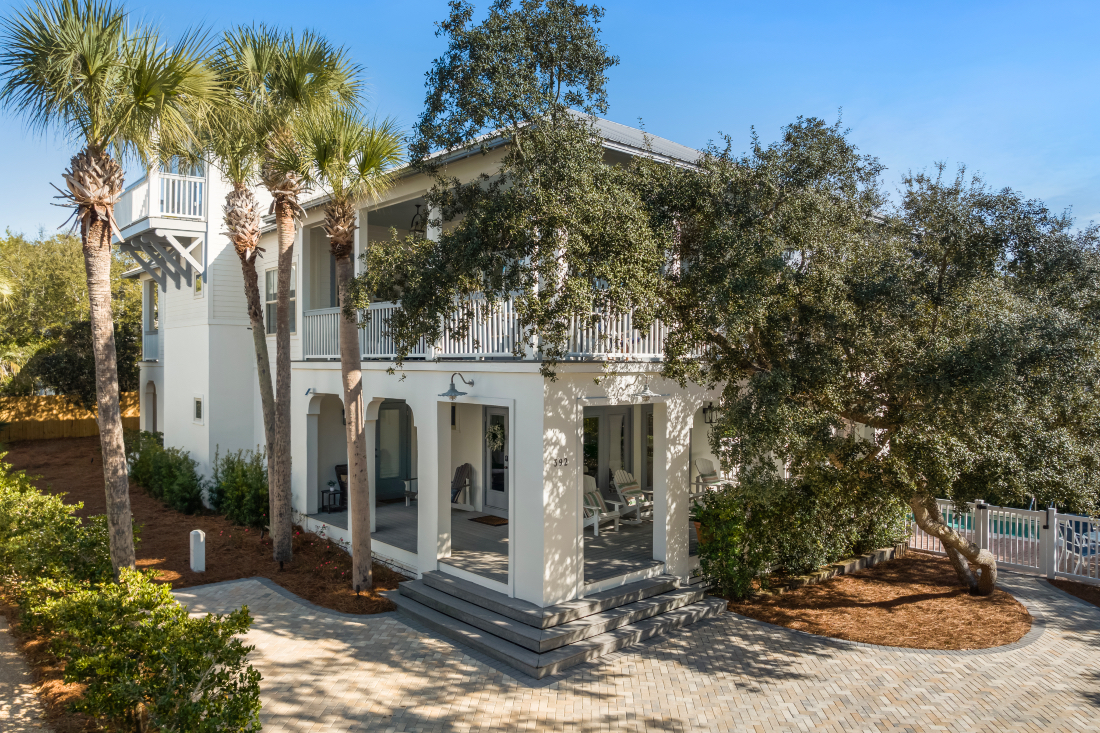
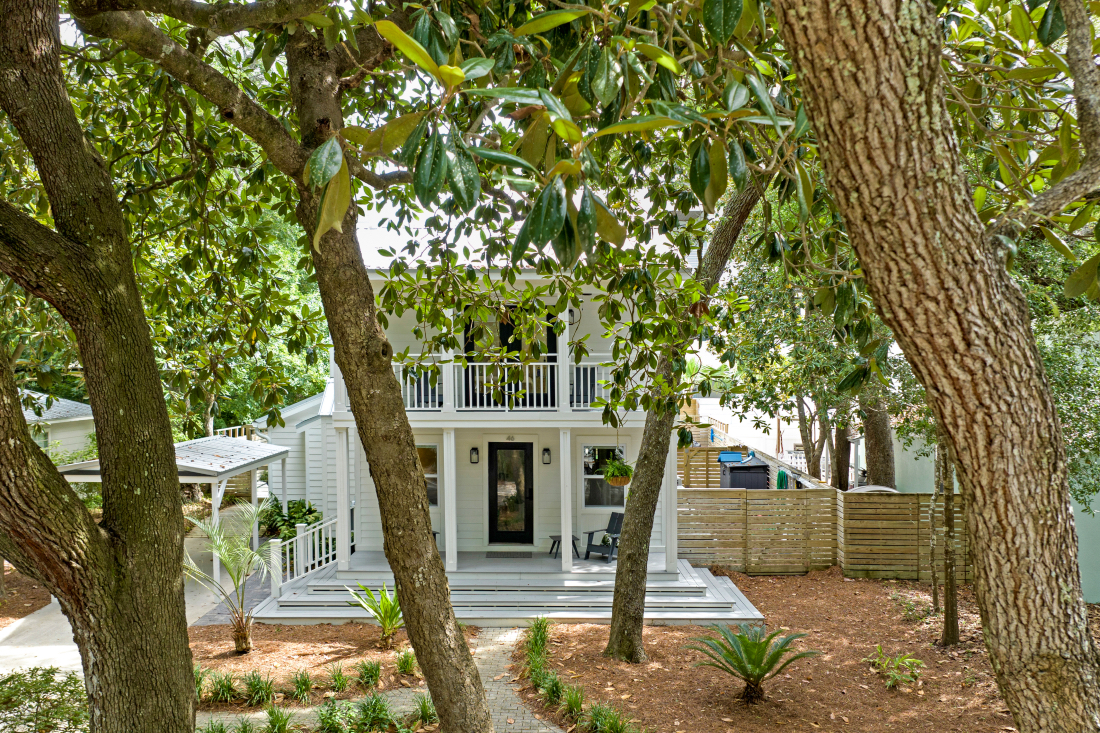
The scenic highway connects a collection of coastal communities, each with its own architecture, amenities, atmosphere, and approach to daily life.
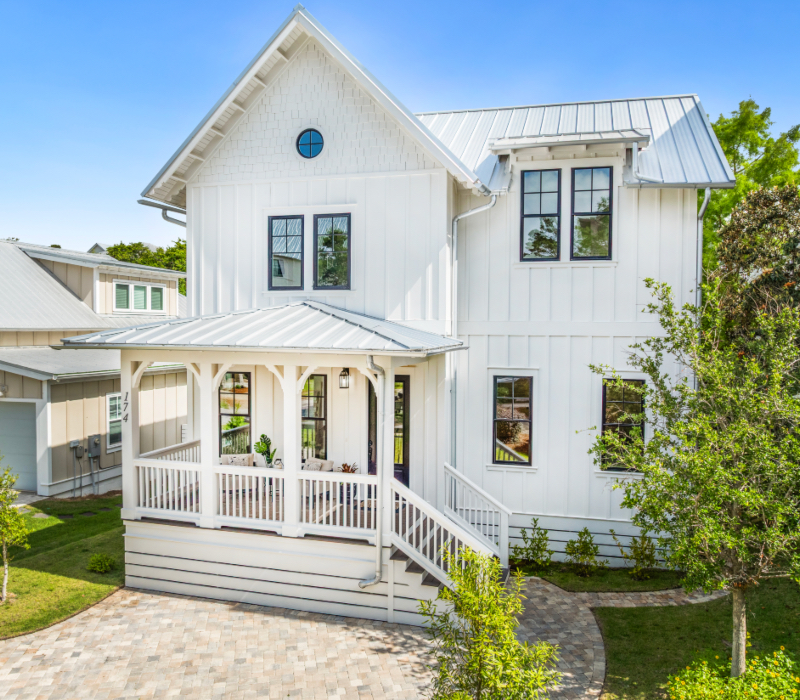
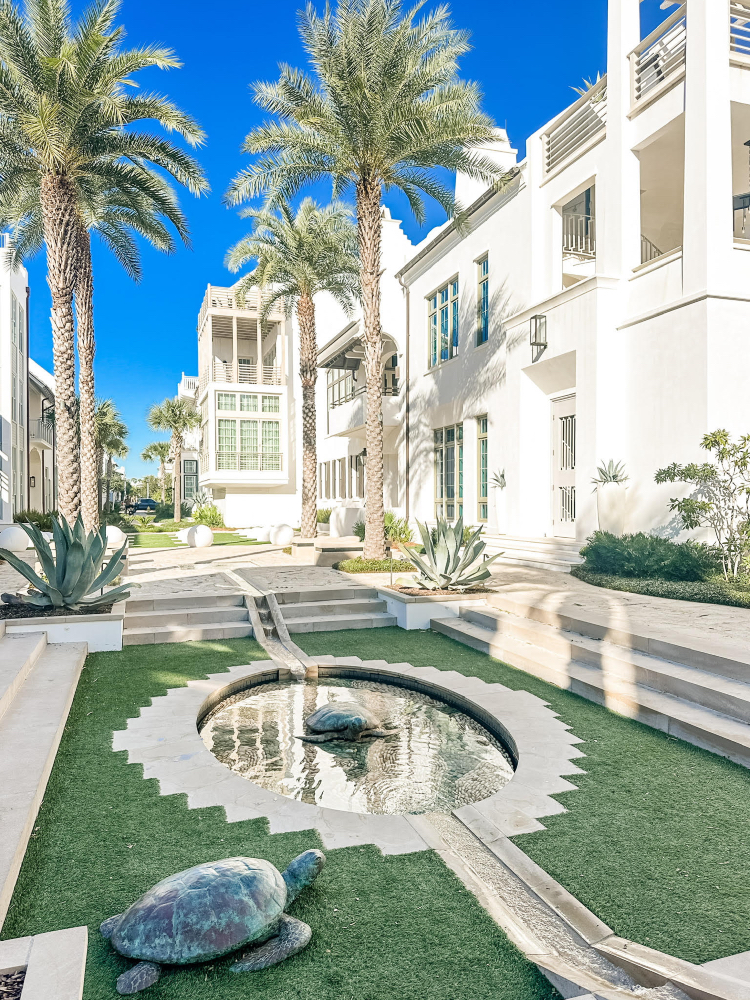
A buyer drawn to one end of 30A may respond very differently to another. Seaside offers a walkable town center, recognizable architecture, and an active mix of shops, restaurants, and public spaces. Alys Beach appeals to buyers who value highly considered design, privacy, luxury amenities, rental eligibility, and a carefully planned environment. Grayton Beach has a looser, more eclectic character, with Old Florida roots, distinctive homes, and a longstanding creative spirit. Farther east, Inlet Beach combines older coastal properties with newer homes and developments. From established neighborhoods in Santa Rosa Beach to amenity-rich communities such as WaterColor, the differences extend well beyond appearance. Buyers should also consider walkability, beach access, community rules, maintenance responsibilities, rental eligibility, and proximity to shops, restaurants, and schools. So the right home on 30A depends on more than square footage or price. It comes down to how buyers will actually use the property, and which community fits the desired lifestyle.
Choosing the Right Type of 30A Property
Before touring homes, buyers should be clear about how they plan to use the property. Will it be a full-time residence? A second home used primarily for family vacations? A short-term rental? A long-term investment? A combination of personal use and rental income? Those distinctions affect nearly every part of the search, including location, layout, amenities, insurance, maintenance, and the amount of management the property may require. A family relocating permanently may prioritize schools, storage, privacy, and year-round convenience. A second-home buyer may care more about beach access and low-maintenance ownership. An investor should look closely at rental rules, operating expenses, and whether the numbers make sense for their investment goals. “I’m a short-term rental owner myself, so while I can be a resource for any type of buyer coming to 30A, I know what it takes to be successful with investment properties,” Freeman said. She works with many buyers from outside the area, from Atlanta and Nashville to Dallas, New York, and California. Although they may already know and love 30A as visitors, owning property here requires a different level of understanding. “When people think about buying near the beach, the instinct is almost always the same: it has to be right on the sand,” Freeman said. “But what makes 30A so special is that being beachfront isn’t actually what defines this area. It’s the communities themselves, the walkability, the architecture, the town centers, and the sense of place that make people fall in love here. You can live several streets back from the water and still feel completely immersed, or perhaps even more so, in everything that makes 30A unique.”
Which 30A Communities Allow Short-Term Rentals?
Alys Beach
Grayton Beach
Rosemary Beach
WaterSound
One of the most important questions for any buyer is whether the property can be rented on a short-term basis and, just as importantly, whether that fits the buyer’s goals.
Investment buyers often want to be in the heart of high rental activity. Primary homeowners, on the other hand, are usually looking for the opposite: a more permanent community where they can get to know their neighbors and build real relationships, rather than a rotating cast of renters coming and going each week. Plenty of buyers land somewhere in the middle, wanting the flexibility to rent occasionally while still keeping the home to themselves for parts of the year. Either way, knowing where a community and property fall on that spectrum is essential before you buy, not after. Many 30A communities permit vacation rentals, while others restrict or prohibit them. Watersound Origins and NatureWalk at Watersound Origins are among the communities with short-term rental restrictions.
This is exactly why it’s so important to work with a real estate agent who truly understands the 30A market,” Freeman said.
“Rental rules on 30A aren’t one-size-fits-all, and getting them wrong can be a costly mistake for a buyer.”
Before making an offer, buyers should review HOA covenants, deed restrictions, and applicable local regulations. They should also confirm whether there are minimum-stay requirements, occupancy limits, or restrictions on using outside property-management companies. Even buyers who do not initially plan to rent their home should understand the restrictions attached to the property, as those rules may affect how it can be used in the future.
HOA Fees and the Cost of Owning a Home on 30A
Owning a home on 30A often comes with more than just a mortgage payment, and HOA dues are a big part of that picture. So how much are HOA fees on 30A? Fees vary widely from community to community both in amount and in what they cover.
“When I have my buyers review the HOA documents, I point them to the details that matter most on 30A: reserve funding, any pending or recently completed special assessments, rental-related covenants, and the architectural review process, which in some communities governs everything from exterior paint to landscaping,” Freeman said. A higher fee may cover meaningful services and conveniences, while a lower fee may leave homeowners responsible for more of the maintenance themselves. The important comparison is not simply the dues, but the full cost and responsibilities associated with ownership.
How to Buy a Home on 30A
A focused approach can keep buyers from becoming overwhelmed by the range of properties available.
Step 1:Define the Priorities
Buyers should begin with a clear list of practical and lifestyle requirements. Budget, property use, community type, beach access, rental eligibility, maintenance needs, and preferred amenities should all be addressed before the search widens. On 30A, two of those items, property use and rental eligibility, do the most work, because they determine which communities belong on the list at all.
Step 2: Position Yourself to Win
Many buyers on 30A purchase with cash or draw on jumbo, portfolio, or asset-based financing. Whatever the structure, sellers here place a high value on certainty.
When the right property surfaces, sometimes before it ever hits the open market, buyers are in the strongest position when they are ready to move,” Freeman said. “For financed buyers, that means fully underwritten approval, not a prequalification letter. For cash buyers, it means proof of funds in hand.
Step 3: Narrow the Search
Seeing too many unrelated properties can make the decision more difficult rather than easier. Allison recommends narrowing the search to homes that genuinely fit the buyer’s primary goals rather than touring everything that looks appealing on paper.
Because so many of Allison’s buyers come from out of town, she often starts the process with FaceTime showings. Walking a buyer through a property live, camera in hand, helps narrow the list down to a handful of true contenders before anyone books a flight.
Step 4:Structure the Offer Carefully
Price is only one part of an offer. Financing terms, inspection periods, contingencies, closing dates, furnishings, and the seller’s priorities may all influence how it is received. A well-written offer balances competitive terms with the protections the buyer needs.
Before writing that offer, Allison sits down with each buyer to talk through what matters most to them, whether that’s price, timeline, contingencies, or something else entirely. That conversation shapes an offer strategy built not only to protect the buyer throughout the process, but also to negotiate terms that truly work in their favor.
“I can’t tell you how many times I’ve had an offer accepted over others because it was written cleanly and clearly, and because I picked up the phone and spoke directly with the selling agent,” Freeman said. “In a competitive market, those details matter just as much as the number on the page.”
Step 5: Complete the Due Diligence
The inspection period should be used to evaluate far more than the visible condition of the home.
Buyers may need to review inspection reports, insurance options, flood-zone information, HOA documents, rental history, permits, title matters, and community restrictions. Investment buyers should also review realistic operating costs, property-management requirements, and rental projections, which should be treated as estimates rather than guarantees.
“I’ve built relationships with local property management companies over the years, and I stay current on the technology available today to help take out as much of the guesswork as possible,” Freeman said. “Rental income is never guaranteed, but I want my buyers walking in with the most realistic numbers we can put together.”
Step 6: Stay Ahead of Closing
Buying a home involves a lot of moving parts: financing, insurance, inspections, title work, and contractual deadlines, and all of them are working against a clock. Keeping the buyer, agent, lender, insurer, inspector, and closing team on the same page throughout is what keeps a transaction from falling apart at the finish line.
“Communication is where I really try to set myself apart,” Freeman said. “Buyers can call me, text me, email me, whichever works best for them, and they’re going to hear back. This is my full-time job, not a hobby or a side hustle, and my clients deserve an agent who shows up that way every single day until we close.”
Why Local 30A Real Estate Knowledge Matters
On 30A, the fine print matters more than the photos.
A listing shows buyers what’s for sale. It rarely reveals what ownership is actually like, and on 30A, that gap can be wide.
Allison begins by understanding how a client plans to use the home, whether that’s an investment property, a second home, or a primary residence. She then draws on her expertise in luxury 30A real estate to guide the search. As a luxury agent who knows this coastline’s high-end inventory intimately, she brings a trained eye to the finishes, architecture, and locations that define the top of this market, along with the local depth that surfaces off-market opportunities and neighborhood-level details a listing search alone won’t show.
“Not every opportunity on 30A shows up in a search portal,” Freeman said. “Some of the best homes here find their buyer before most people ever know they were available.”
My relationships with agents up and down 30A mean my buyers hear about those properties early, because on this coastline, the difference between hearing about a home first and hearing about it after it’s gone is everything.”
She also taps the wider Christie’s International Real Estate network and its connections around the world.
“Being part of the Christie’s International Real Estate network gives me access to a level of infrastructure and global reach that’s hard to find anywhere else,” she said. “Pairing that with my expertise here on 30A is where the real advantage is. Buyers get the best of both worlds: a trusted global name behind them and someone on the ground who knows this coastline inside and out.”
Allison has a proven track record with families, investors, and second-home owners across the 30A luxury market. As a local homeowner, parent, and short-term rental owner, she also understands the decisions her clients face firsthand, and she treats their privacy and pace of decision-making as part of the job, not an afterthought.
“I love to sell here because I love living here,” Freeman said. “My family walks these beaches, eats at these restaurants, and knows these neighborhoods the way you can only know a place you call home. When I tell a buyer a community is special, it’s not a sales pitch. It’s my life.”
To connect with Allison Freeman and explore current homes for sale on 30A, visit Allison30ARealtor.com.




 Hey30A AI