Long Esposure: Sean Murphy’s Long Road Back Into Focus
After decades behind the camera, the celebrated photographer returned to Northwest Florida with a renewed sense of purpose.
By Susan Gunn
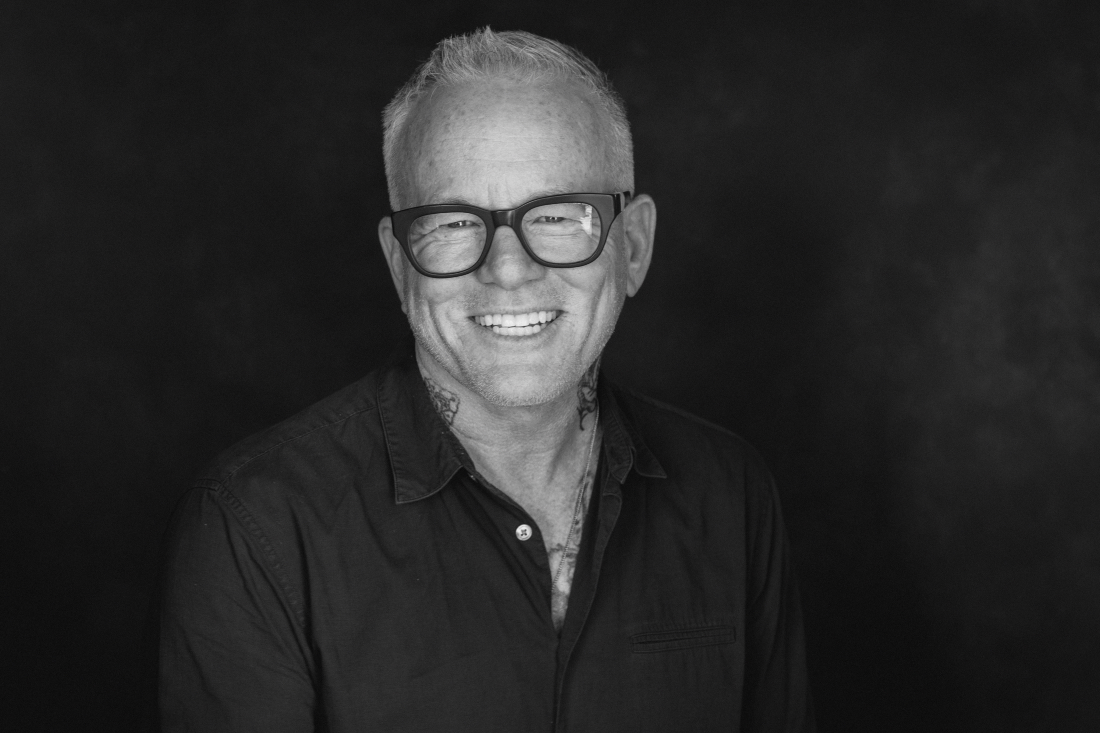
Long before Sean Murphy photographed national advertising campaigns, published a book about Weezer, or worked with clients far beyond Florida, he was a young man standing in a community college darkroom with no clear idea where life was headed. The son of an Air Force father, Sean moved to Fort Walton Beach, Florida, in the fourth grade. He grew up surfing there and graduated from Choctawhatchee High School. When Murphy was 20 years old, he found himself searching for direction. After spending time in Hawaii and returning to Florida, he enrolled in classes at a community college in Orlando. Photography was simply one of several courses he happened to take.
Then something changed.
During one of his first photography classes, Murphy watched an image slowly emerge in a tray of developer under the red glow of a darkroom safelight. In that moment, he realized photography could become something much larger than taking pictures.
“It combined everything,” Murphy recalled.
The medium brought together several of his creative interests: music, painting, sculpture, storytelling, design, and visual art. What began as curiosity quickly became purpose. His professor, Bob Eginton, a retired Time-Life photographer, had Murphy’s attention. When Murphy’s first assignment stood apart from the rest of his classmates’ submissions, his storied professor recognized his talent and encouraged him to think beyond Florida. The advice was direct: leave. Head for Boston or New York. Murphy took it to heart. Eventually, he enrolled at the New England School of Photography in Boston, a decision that would alter the course of his life. He graduated valedictorian of his class. Looking back, Murphy sees the moment as one of many small decisions that quietly redirected his life.
“If one thing had gone differently,” he said, “the whole trajectory could have changed.”
That trajectory carried him from Northwest Florida to Boston and Los Angeles, then into assignments around the world before ultimately bringing him home again.
Murphy’s early artistic influences extended beyond photography. As a child, he was an avid reader. He consumed books, enjoyed writing and reading poetry, and tried his hand at music and art with equal enthusiasm. Even today, he credits those interests with shaping the way he approaches photography. For Murphy, a photograph is never just a photograph. It’s a story. When he looks at a compelling image, he wants to know what happened before the shutter clicked, what is happening outside the frame, and what might happen next.
“Photography is storytelling,” he said.
That philosophy would become the foundation of his career.
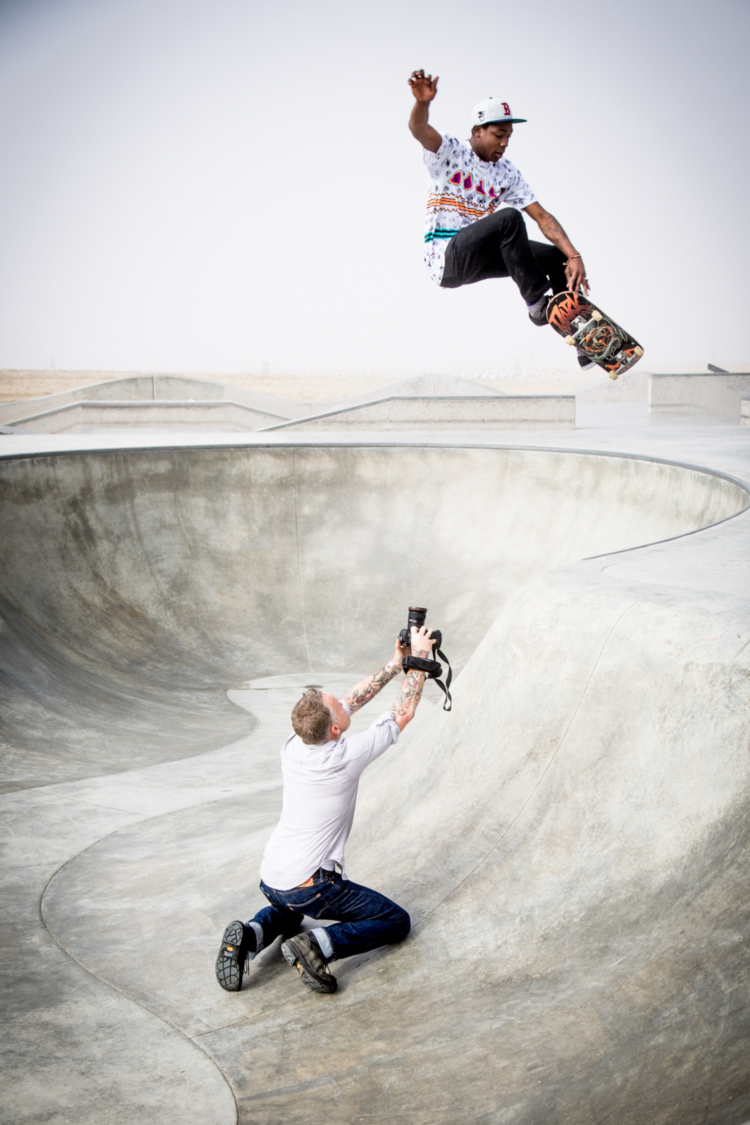
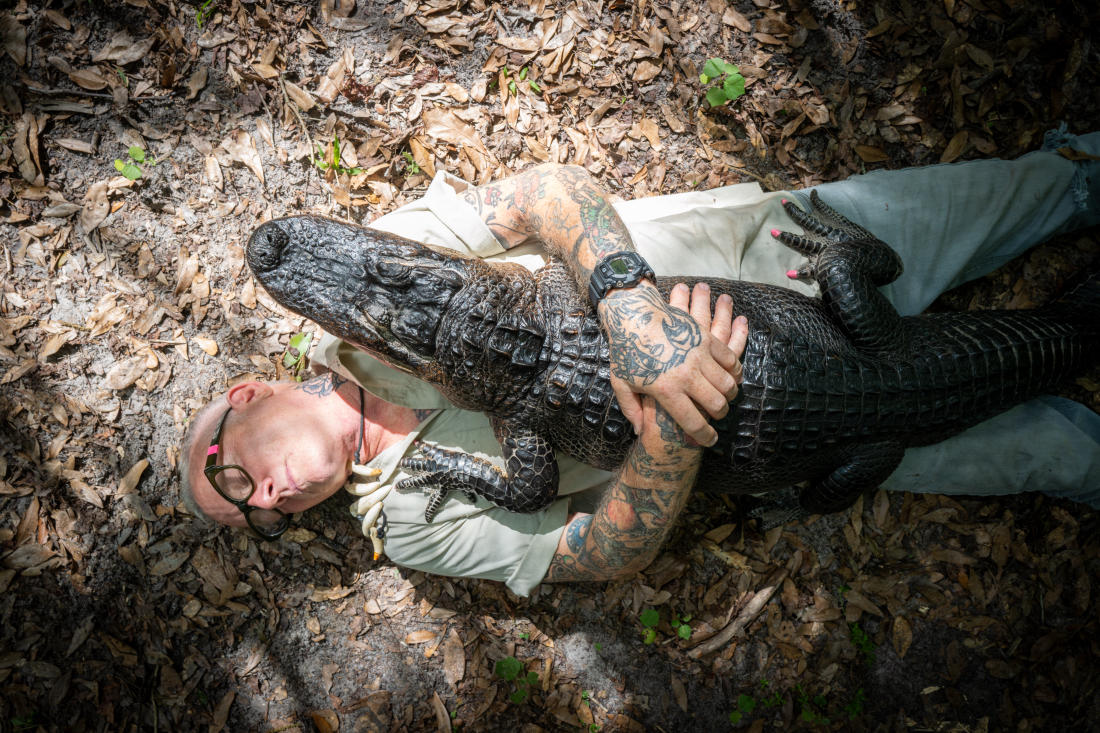
While many photographers focus on technical perfection, Murphy became fascinated by narrative. Whether photographing musicians, athletes, fashion icons, everyday people, or advertising campaigns, he approached each assignment with the same question:
What story is this image telling?
It is a question he applies not only to his own work, but also to any photograph that draws his interest. He can see an image in a book, or one in a familiar place he has passed repeatedly, and it leads him to wonder, “What’s the story here? What is happening? What am I seeing? If you can tell a story in a single image, you’ve done something really special.”
That mindset helped set him apart as his career developed.
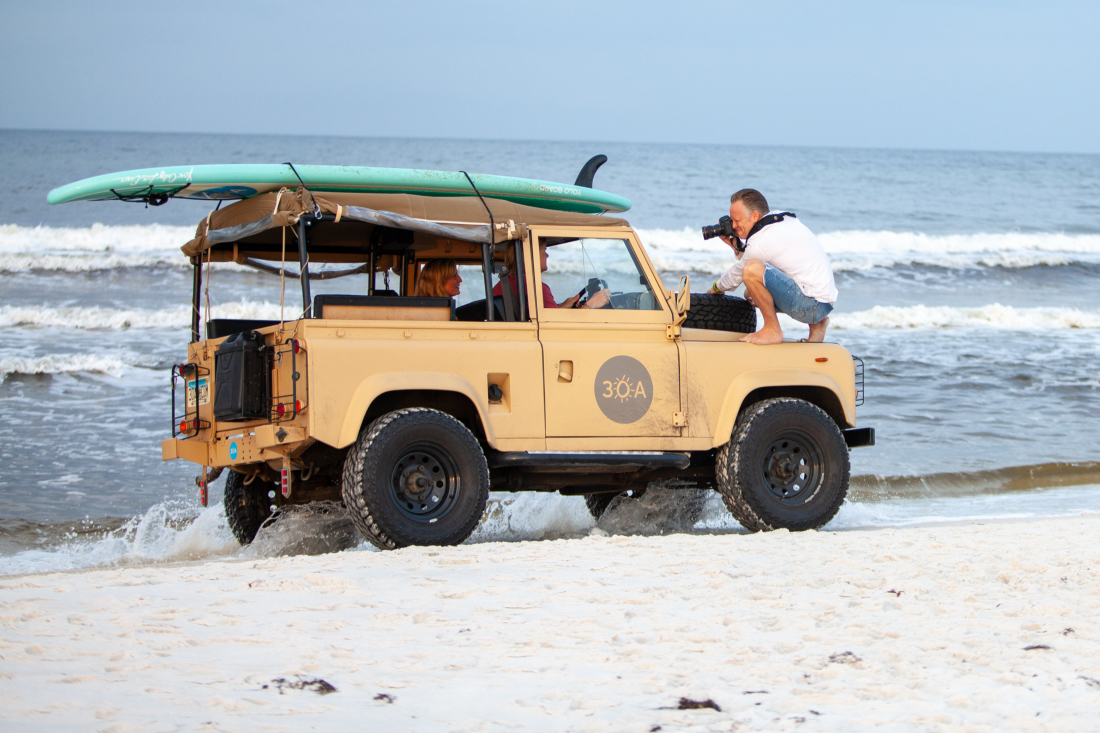
After Boston, Murphy found his way into the music industry and eventually relocated to Los Angeles. Inspired by photographers such as Joel-Peter Witkin and Annie Leibovitz, he arrived with a sharp eye and a growing sense of purpose. Like many creative careers, his path was anything but linear. He photographed bands, developed relationships within the music world, and learned the business one opportunity at a time. As his portfolio grew, so did his reputation. Over the years, Murphy photographed many of the biggest names in music, including Weezer, Green Day, Blink-182, Slayer, Christina Aguilera, and numerous other artists. Commercial work soon followed. He worked on campaigns and projects for brands including Nike, Google, Jeep, Toyota, McDonald’s, Adidas, Microsoft, and many others.
To outsiders, the career might appear to be the result of a carefully designed master plan. Murphy laughs at that idea. Instead, he describes a career built through curiosity, relationships, hard work, and a willingness to walk through doors when they opened. Again and again throughout his story, mentors, agents, art directors, fellow creatives, and friends appear at critical moments. One opportunity led to another. One introduction led to another relationship. One assignment led to another challenge.
Murphy is quick to credit those who helped him along the way. He speaks as readily about the people who opened doors for him as he does about his own accomplishments. In New York, he met and worked with agent Michael Ash of RadicalMedia. Murphy credits Ash with helping him streamline his portfolios.
“I had multiple portfolios: music, surf, fashion, and an advertising book,” Murphy said. “Ash taught me there’s always a through line, and he streamlined everything into one portfolio. It was the coolest thing.”
Success, however, did not make Murphy immune to struggle. He speaks openly about a difficult period during his years in Los Angeles when substance abuse began affecting both his personal life and career. Eventually, he reached a crossroads. In a very dark place, but recognizing that he needed help, Murphy entered treatment and committed himself to recovery. After several years and three stints in rehab, recovery began to hold.
The experience became a turning point. Rather than ending his story, it became the beginning of a new chapter. Recovery helped him rebuild relationships, regain focus, and create a healthier foundation for his life and career.
Today, Murphy remains active in recovery and continues to support others facing similar challenges. Each week, like clockwork, he makes time for AA meetings in Fort Walton Beach. He often speaks about the importance of growth, accountability, and second chances.
“I got lost for a while,” he said. “But I found my way back.”
Now he devotes time to helping people from all walks of life begin that same journey.
That willingness to talk honestly about both success and failure is part of what makes Murphy’s story so compelling. The achievements matter. But the resilience behind them matters even more.
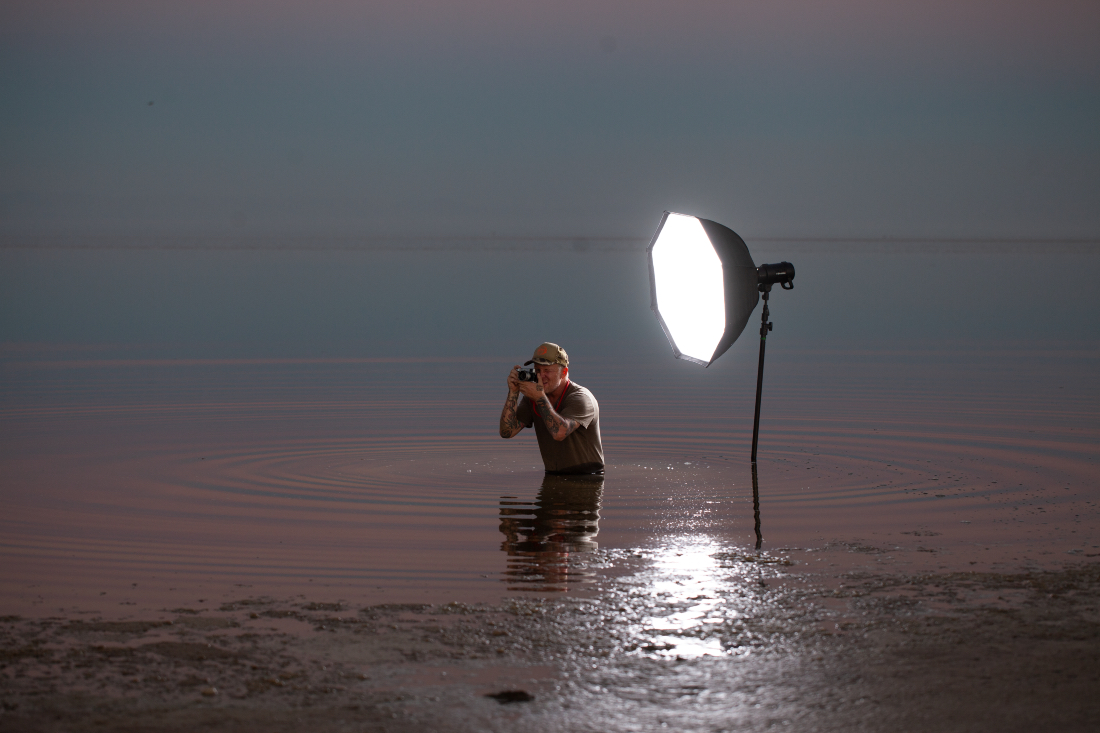
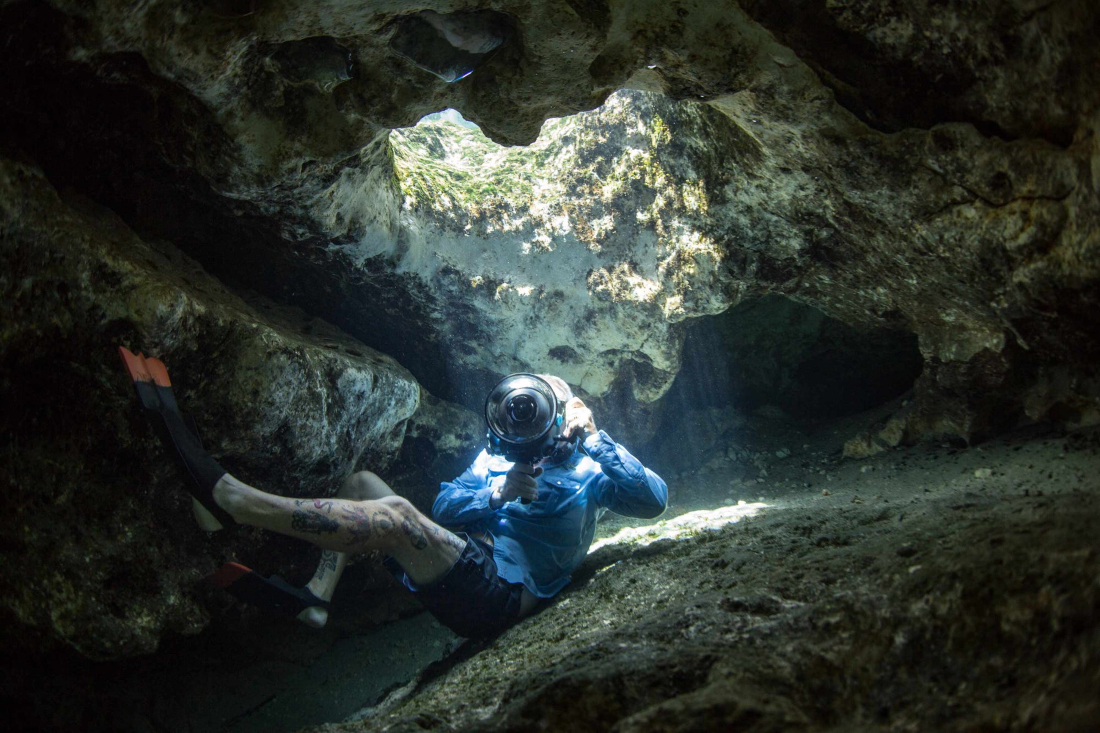
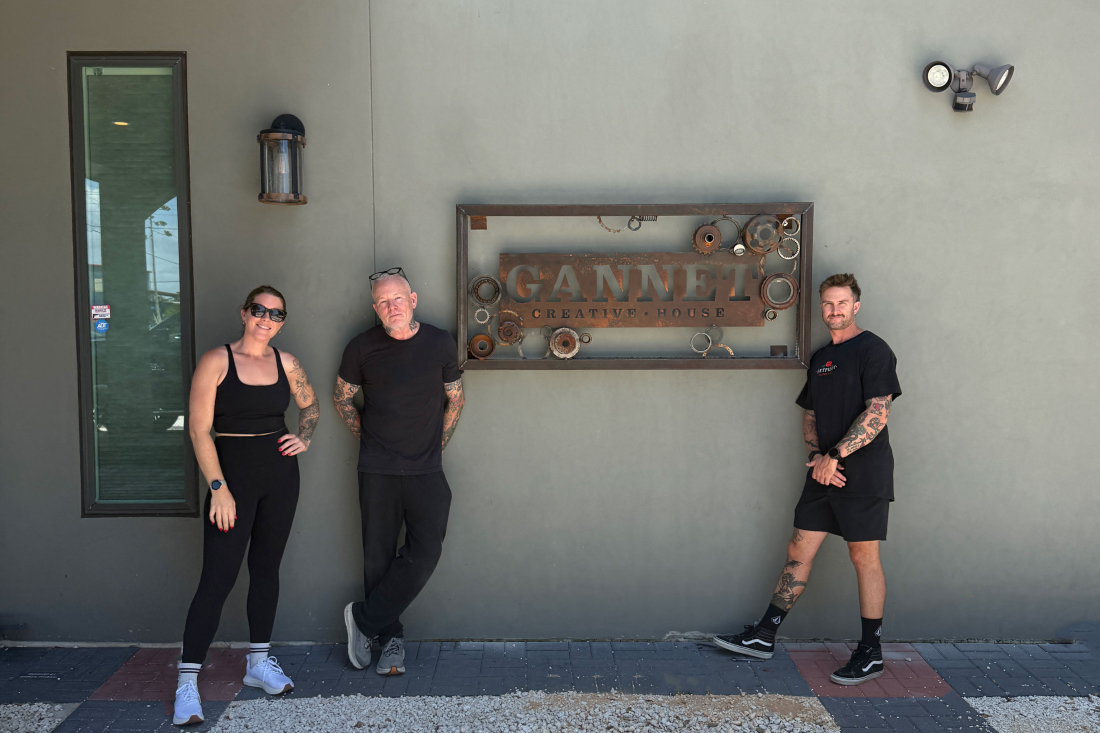
Years of experience eventually led Murphy toward a broader creative role. Today, photography remains central to his work, but it is no longer the only tool he uses. Through Gannet Creative House, a production company he is part of, Murphy collaborates with producer Skye Bailey Howard and cinematographer Tyler Trant, familiar faces from his work with BOTE. The company provides photography, video, commercial campaigns, and visual storytelling services. Murphy describes the partnership as a natural evolution. Video and photography require different approaches, but both serve the same purpose: building a narrative.
Recent projects have ranged from commercial campaigns and tourism work to documentary-style storytelling and corporate assignments. Murphy continues to embrace new challenges, viewing every project as an opportunity to learn something new. That curiosity has never disappeared. If anything, it has become stronger.
“When I was young, I would say I probably wanted to impress people with what I was going to do. Now, after thirty-five years, I’m more evolved in my training and knowledge of tools. Now, my brain works a little more on intuition. But I’m still always learning,” he said.
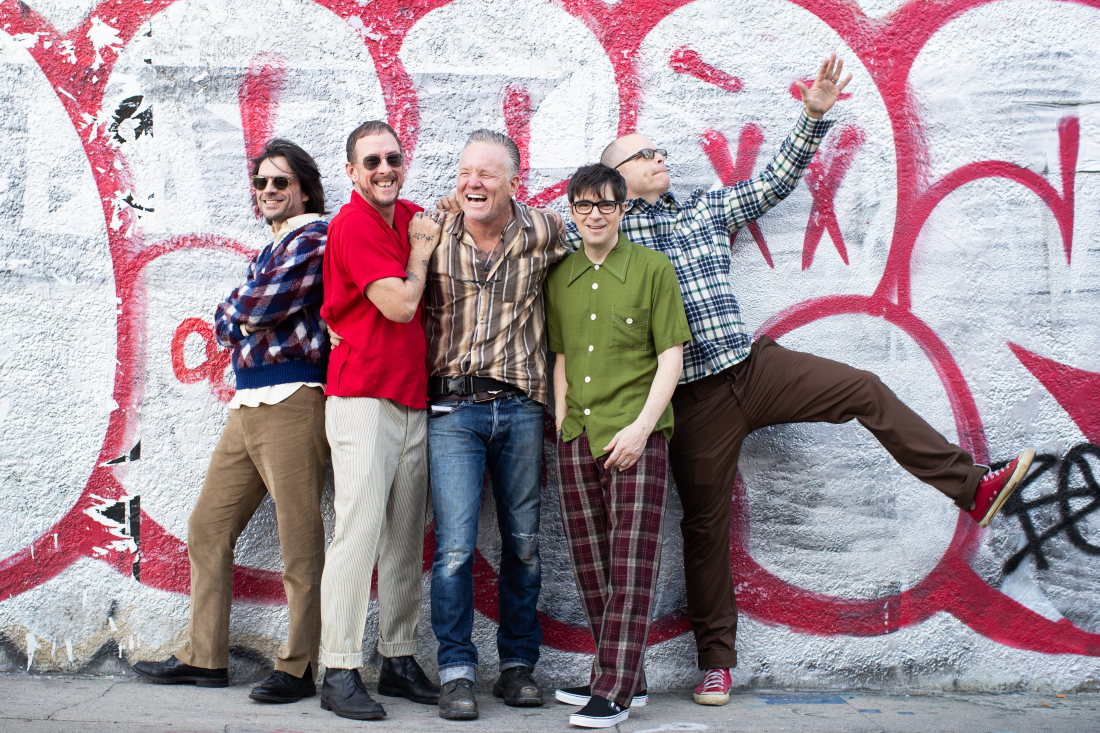
Hanging out with Weezer following a photo shoot for the band’s Van Weezer album.
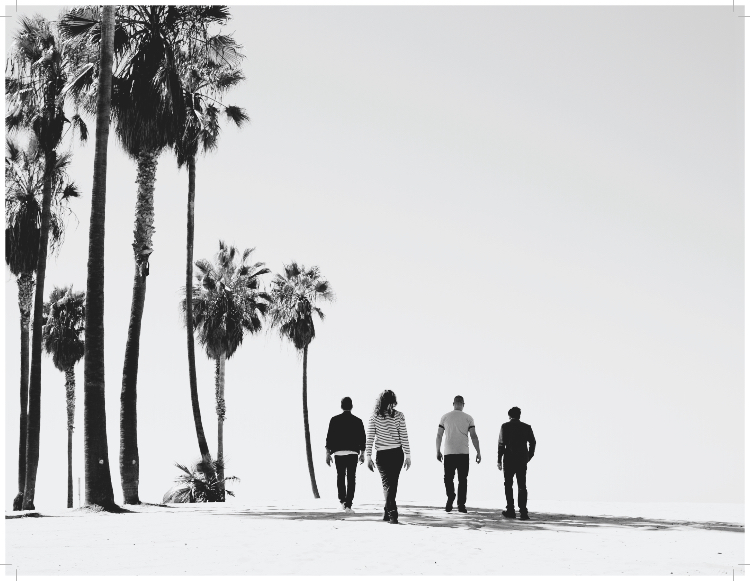
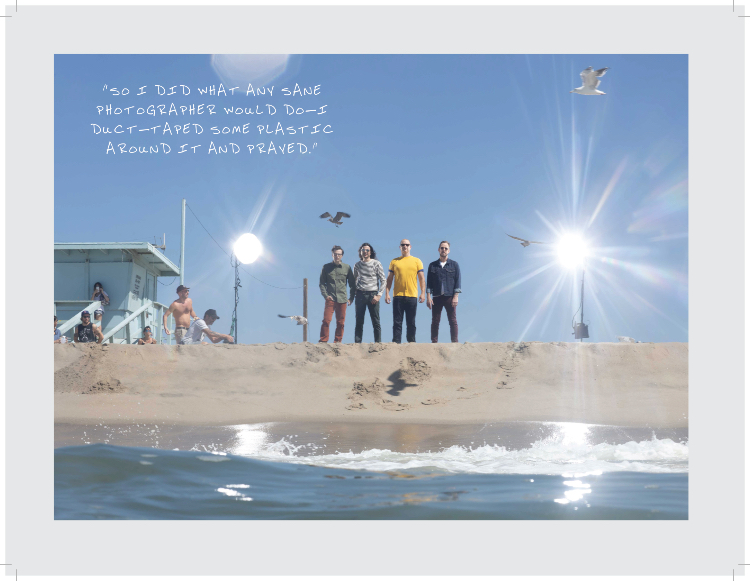
Among Murphy’s recent accomplishments, few are as personal as My Friend, Weezer, his new book.
The project was a three-year labor of love built around photographs and memories collected across his long friendship with the band. Murphy first met the members of Weezer during his early years in Los Angeles. What began as professional relationships eventually evolved into genuine friendships that have endured for decades. The book chronicles those years through photographs, memories, and behind-the-scenes moments most fans never see.
For Murphy, the project was never simply about publishing a photography book. It was about preserving history, celebrating friendship, and honoring relationships that have remained important throughout his life. Just as importantly, it became an exercise in collaboration. Murphy repeatedly emphasized that the book would not exist without the contributions of many others. He expressed gratitude to the members of Weezer, Crush Music, Ahmet Zappa, Karl Koch, designer Skye Bailey, artist Leia Bell, writer Wil Beaucher, and publisher Meredith Wild of Page & Vine, along with others who helped bring the project to life.
The experience reinforced something Murphy has come to believe strongly after decades in the creative world: No meaningful achievement is accomplished alone.
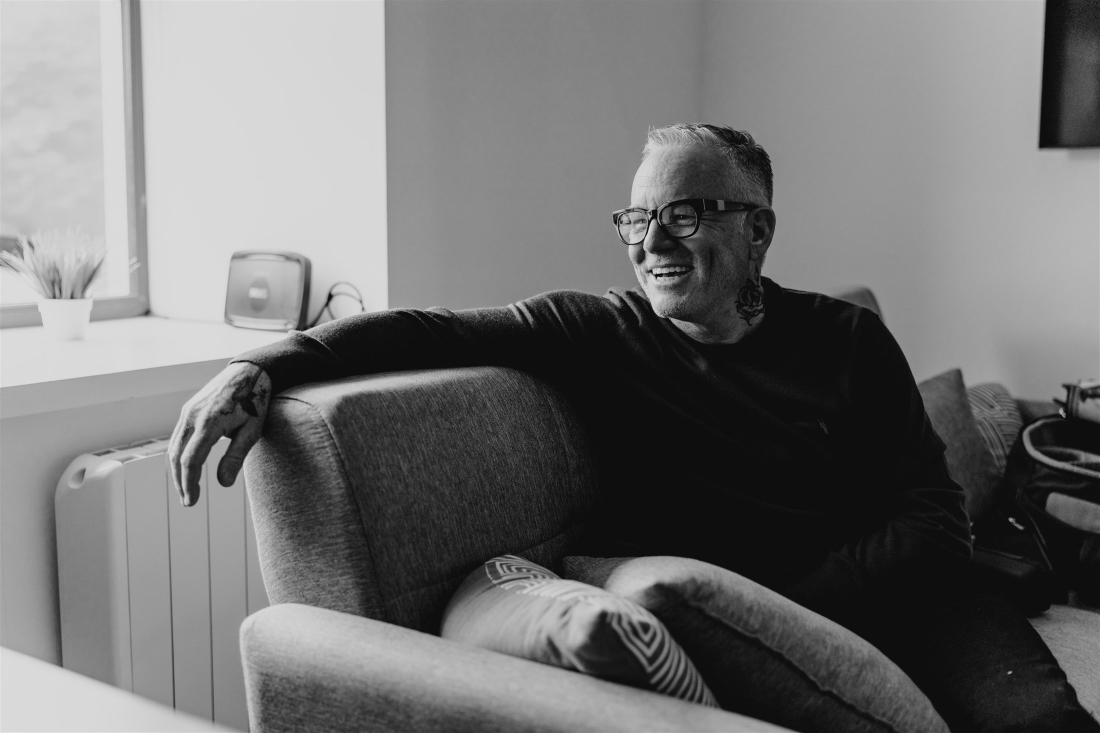
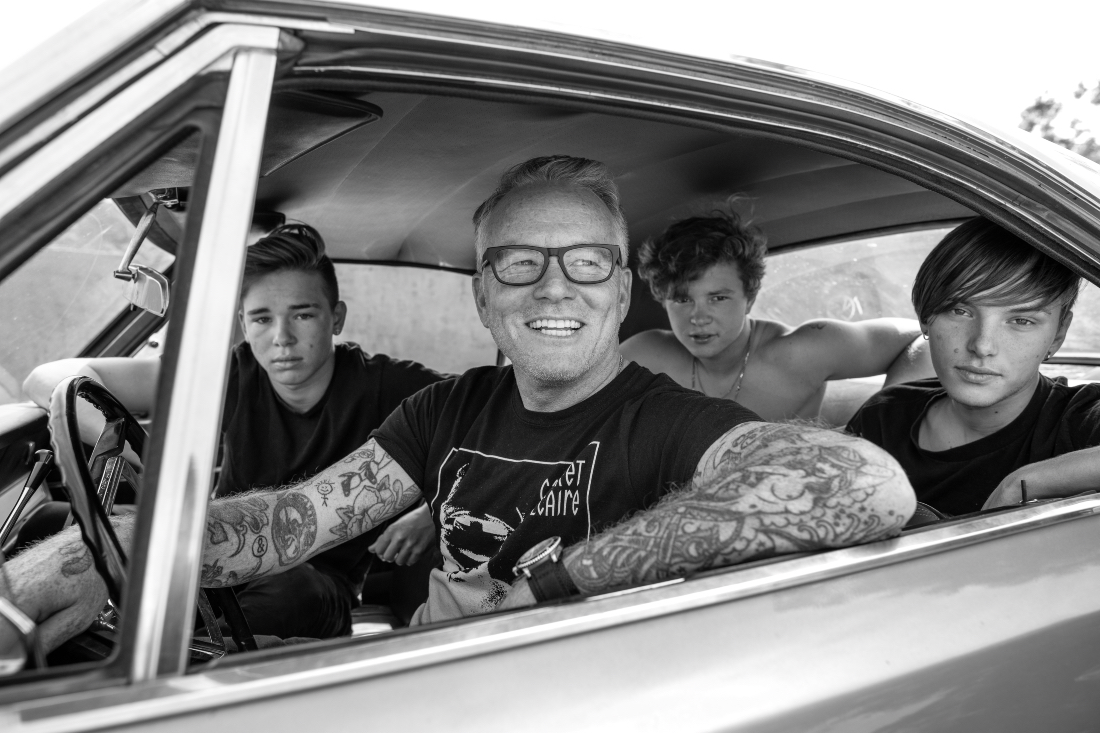
Right: Sean with his sons Ozzy, Tripp, and Milo. Photo by Ari Michelson.
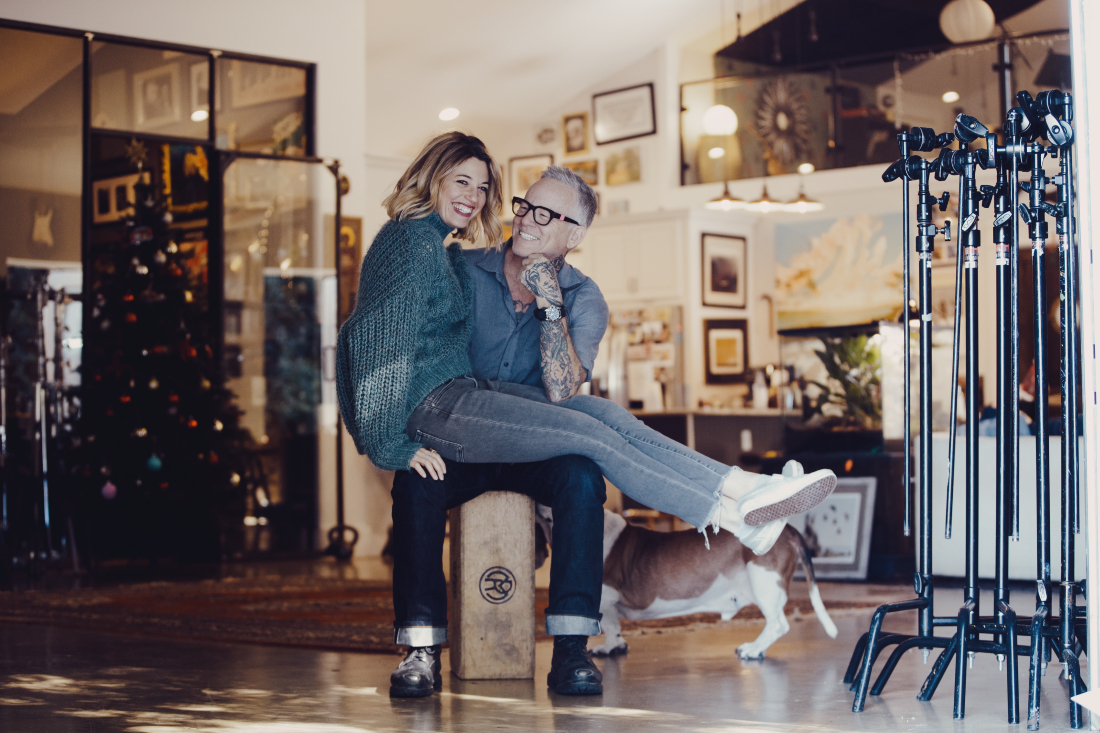
Left: Sean with his wife, Jessica. Photo by John Harrington.
Perhaps the most surprising chapter of Murphy’s story is where it ultimately led. After spending much of his career in Los Angeles, he returned to Northwest Florida. The move was not a retreat. It was a choice. Today, Murphy lives near family, works with clients across the country and beyond, and continues building new creative projects from the place where his story began. His mother lives nearby, with two brothers also in close proximity. His wife of two years, Jessica, a professional violinist, remains one of his strongest sources of support and inspiration. Ozzy, his eldest son, is a rising techno DJ in Los Angeles. His son Tripp is a fitness professional in Santa Rosa Beach, while Tripp’s twin, Milo, works as a model in California. Together, they have built a life that balances creativity, family, and purpose.
Murphy still travels. He still works. He still creates. But home means something different now. As a young man, he was told to leave Florida to chase opportunity. As an adult, he returned because he finally understood what home meant.
“I just like being here. It’s home,” he said simply.
After more than three decades behind the camera, Murphy’s drive and enthusiasm remain unchanged. He still gets excited by a compelling narrative, a new project, or an unexpected creative challenge. He still studies the work of photographers he admires. In fact, many of his favorite photographs hanging on his walls are not his own. They belong to friends and fellow artists whose work inspires him. That humility, combined with enduring curiosity, may explain why Murphy continues to evolve after all these years. For him, success has never been about celebrity clients, advertising campaigns, or professional recognition.
Those accomplishments are part of the story, and an impressive one, but not the whole of it. The larger arc is one of reinvention. A young man with no clear direction discovered photography in a darkroom. A teacher encouraged him to take a chance. A career carried him far beyond Florida. Challenges forced him to rebuild. Friendships endured. Relationships fractured and repaired. And eventually, after all the miles traveled and all the stories told, the journey brought him back home.
For Sean Murphy, photography was never simply about making pictures.
It was about learning how to see. And perhaps, along the way, learning how to see himself as well.
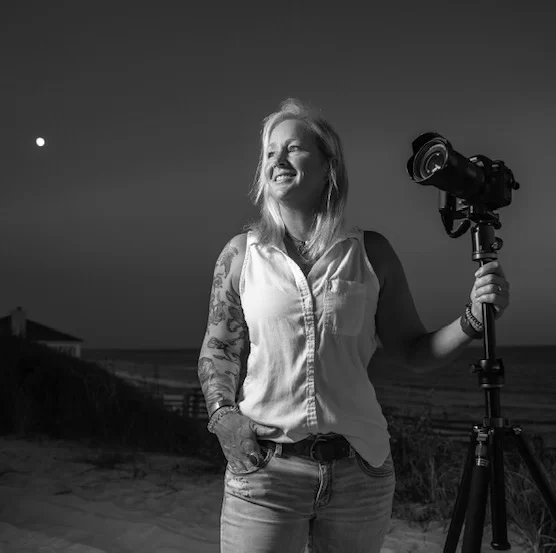
Susan Gunn is a retired paramedic and freelance photographer/writer living in Santa Rosa Beach. When she is not working, she can be found in the water or exploring the beauty of Florida.




 Hey30A AI