Hey30A AI


30A Real EstateTrending Now
How to Sell Your Home on 30A: A Homeowner’s Guide
What 30A homeowners should know before selling!



Sign up for beach news and local updates—plus a chance to win a $500 30A gift basket. One winner each month!
What 30A homeowners should know before selling!
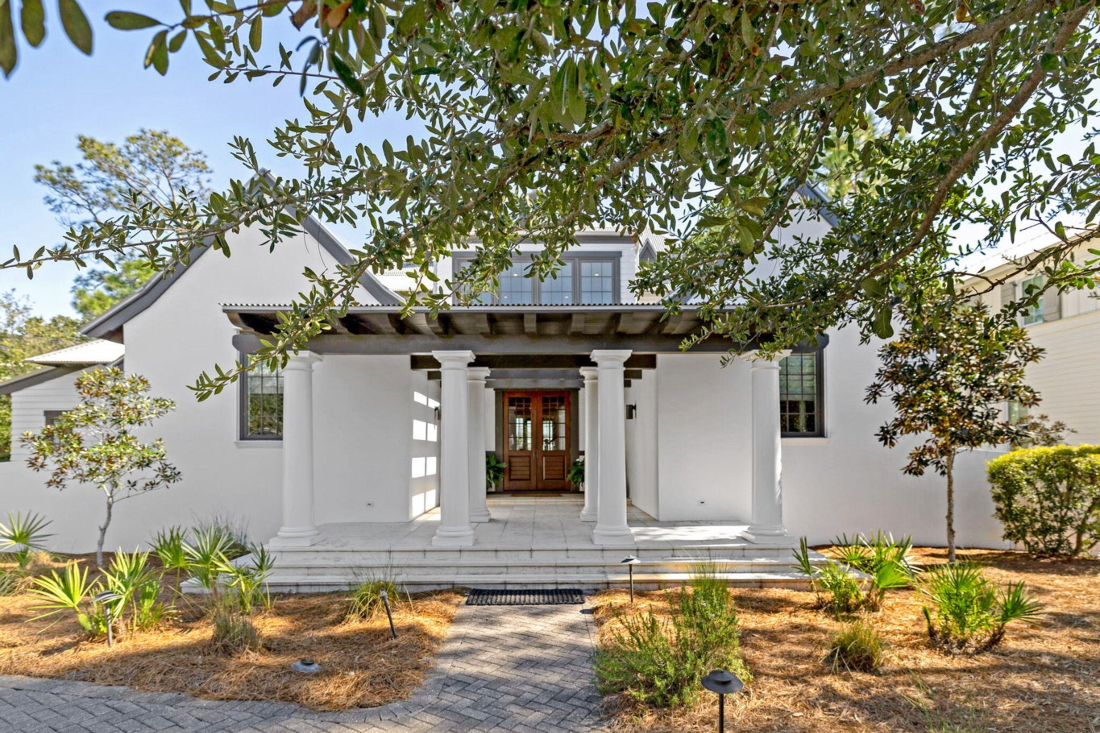
If you own a home along Scenic Highway 30A, you own property in a market that draws buyers from across the country. From Rosemary Beach and Alys Beach on the east end to Grayton Beach and Blue Mountain Beach on the west, 30A properties attract a distinct type of buyer with distinct expectations, and selling here works differently than selling almost anywhere else in the country.
This guide draws on the experience of Allison Freeman, a 30A real estate agent with Christie’s International Real Estate Emerald Coast who lives and works on 30A. It covers the questions 30A homeowners ask most before they list.

The 30A market does not behave like a typical residential market. Most buyers are not local. They come from Atlanta, Nashville, Dallas, and other feeder markets hundreds of miles away, shopping for a second home, an investment property, or a legacy property their family will hold for generations. Many pay cash. Nearly all of them begin their search online, often months or years before they ever contact an agent.
“The buyer for your 30A home could live hundreds of miles away and may first see your home on their phone,” Freeman says.
“Your listing is competing for attention in Atlanta and Nashville and all the way to the East Coast, not just in Walton County.”
This shapes everything about how a 30A home should be positioned. Successful listings tend to emphasize the things out-of-state buyers value most: walkability to the beach, community amenities, rental income potential, and the specific character of each neighborhood.
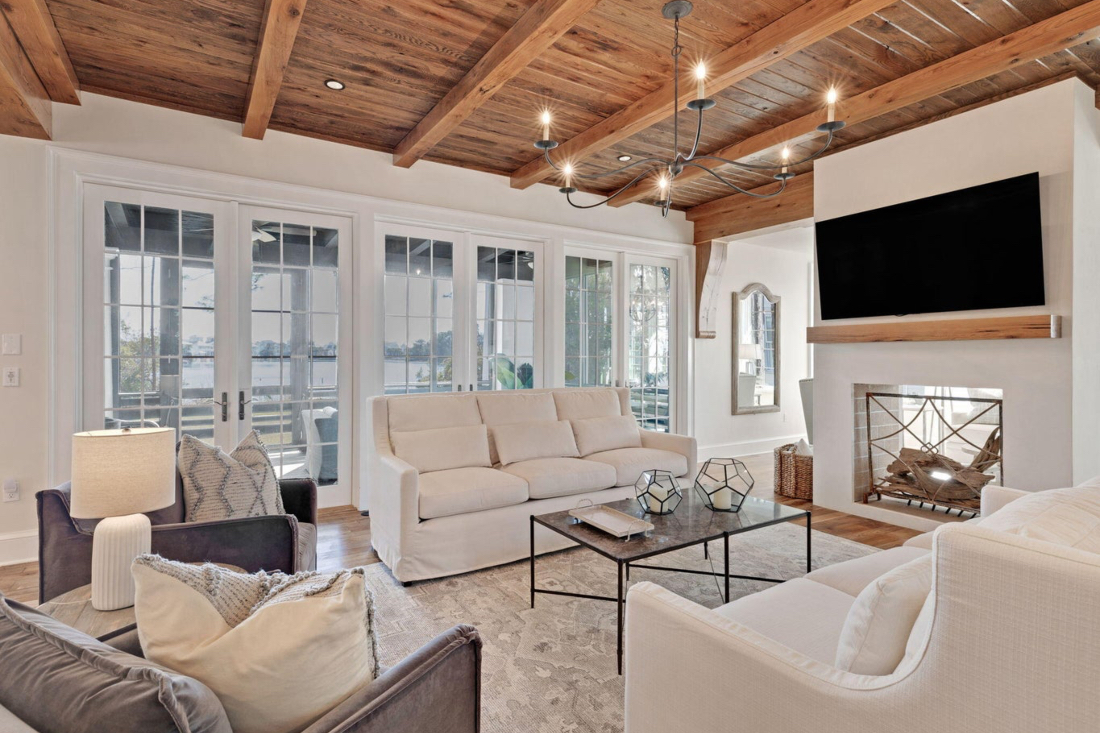
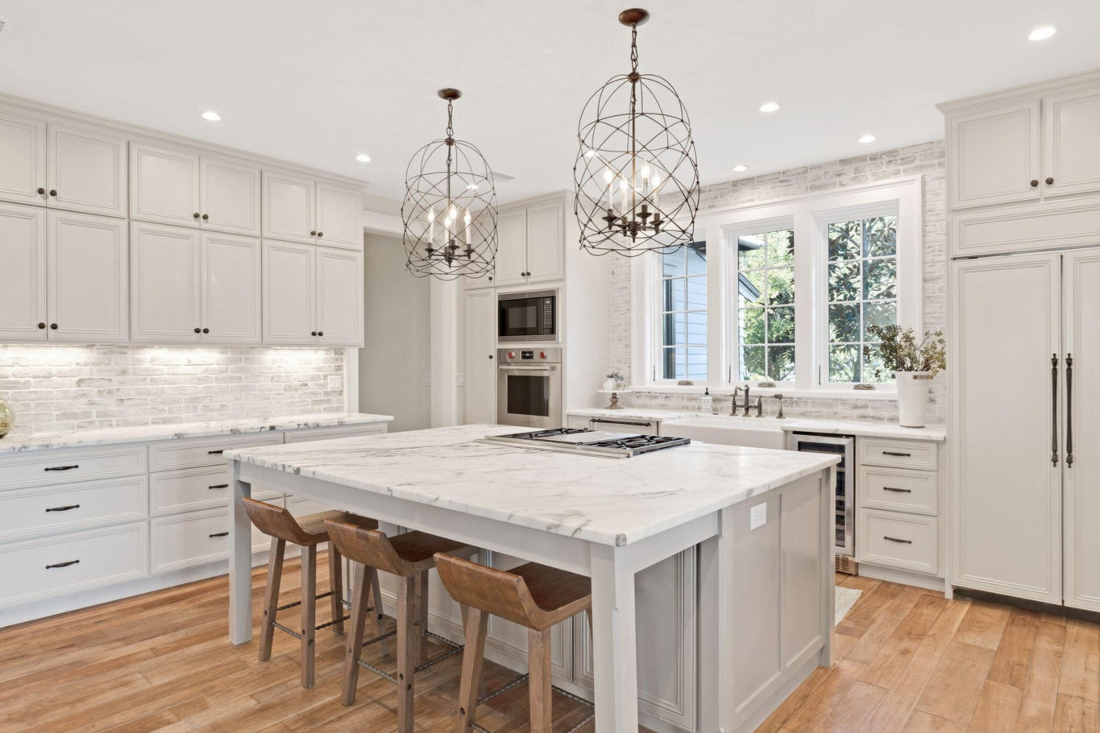
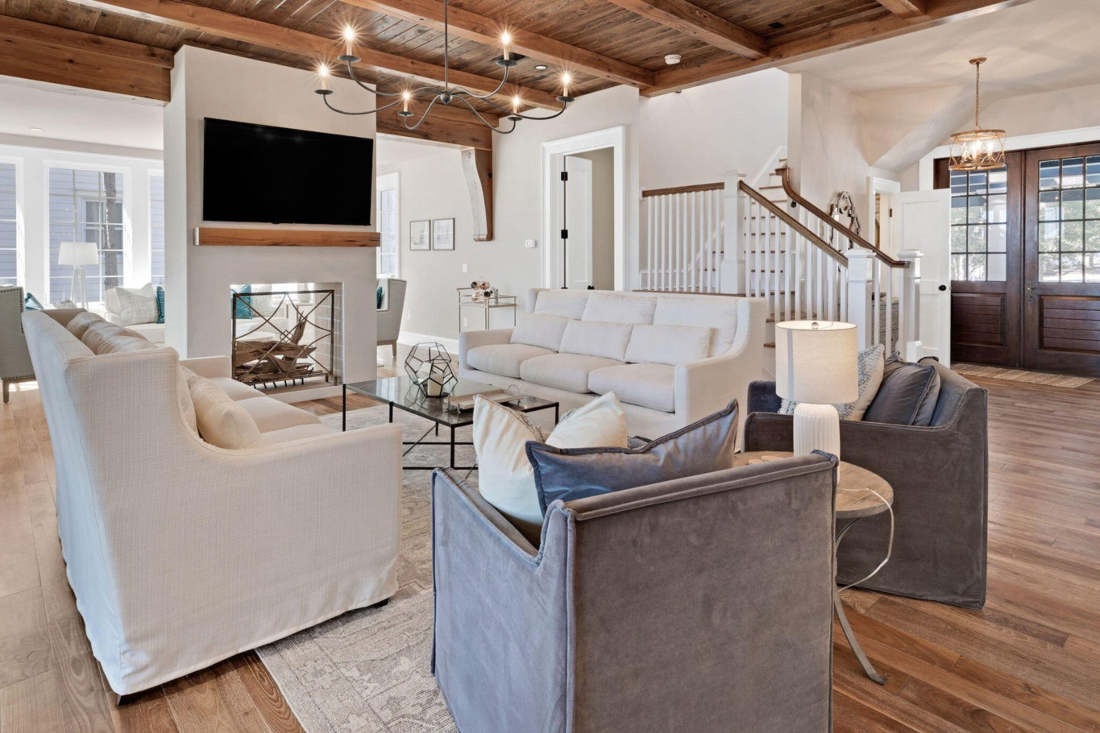
Pricing on 30A is hyperlocal to a degree that surprises many owners. Two similar homes a half mile apart can be separated by millions of dollars based on several factors.
“I live in a neighborhood on 30A where two blocks away there is a home priced $29 million above mine, and a street over from that, a lot sold for around $900,000,” Freeman says. “Platforms like Zillow do not always recognize those hyperlocal pricing differences.
“You need an agent who lives, works, and plays on 30A to truly understand the market here.”
Community premiums. Each community along 30A carries its own pricing dynamics shaped by building standards, amenities, beach access, lot sizes, and neighborhood character. Where your home sits along 30A influences its value as much as the home itself, which is why comps from one community rarely translate cleanly to another.
Gulf proximity and views. Gulf-front and gulf-view properties operate in their own pricing tier. South of 30A versus north of 30A remains one of the most significant value lines in the market.
Rental income and rental dynamics. Income potential factors into value across the 30A market, whether or not a home has ever been rented. Buyers routinely evaluate what a property could earn even when they plan to use it purely as a second home, because it shapes their sense of long-term value and flexibility. A home with two or three years of strong, verifiable rental income is easier to price confidently, and a home with no rental history still benefits from a credible picture of what it could produce. The reverse is also true. Some buyers specifically want a neighborhood with limited rental activity, and homes in quieter, lower-turnover communities can command a premium with that audience. Knowing which buyer your home naturally attracts is part of pricing it correctly.
Condition and finishes. Many buyers at 30A price points expect turnkey. Dated finishes, deferred maintenance, and worn coastal exteriors get discounted quickly.
Pricing and launch strategy also work together. The first weeks on market are when a listing gets maximum attention from buyers and agents, and overpricing shrinks that audience fast. Industry data suggests a home priced 15 percent over market value appeals to only about 10 percent of potential buyers, while a home priced at market value appeals to roughly 60 percent. On 30A, where days on market are visible to every out-of-state buyer scrolling from their phone, a stale listing loses negotiating power quickly.
“Comps only tell part of the story. They cannot see that your home is three rows back from a deeded beach walkover, or that your rental calendar is booked through next summer,” Freeman says.
“Pricing here is a judgment call, and judgment comes from knowing the market.”
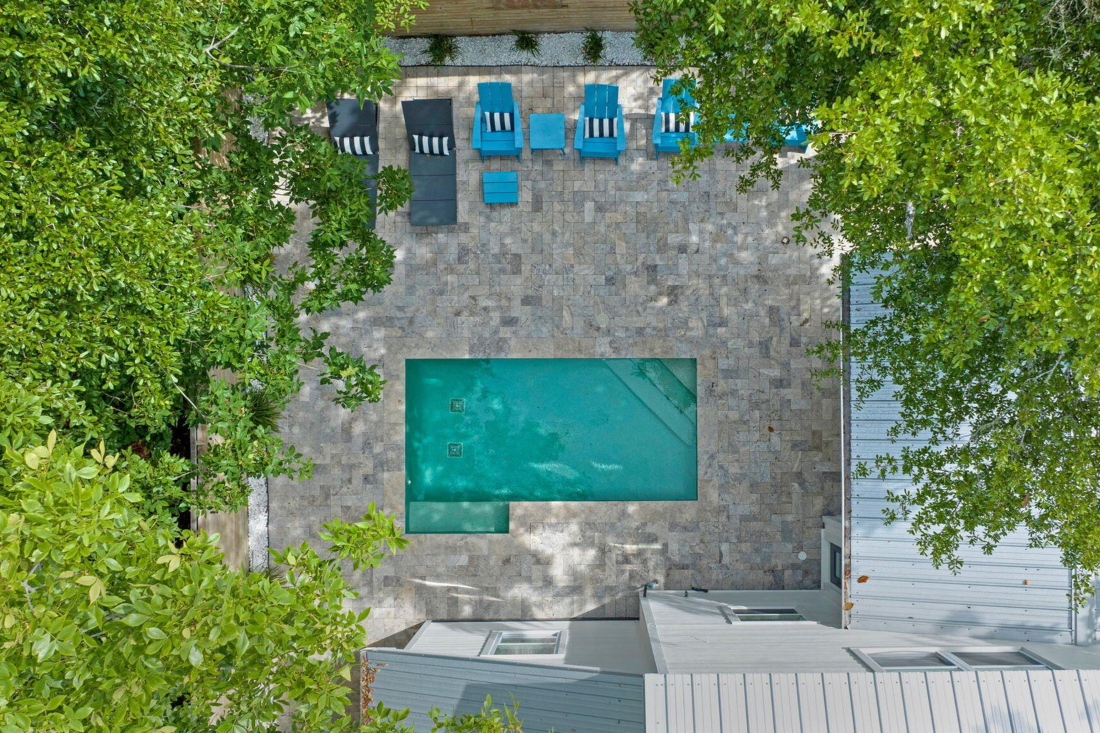
There is no single best season to list on 30A, but the market has a rhythm worth understanding.
Spring and summer bring peak visitor traffic, and a meaningful percentage of 30A buyers first fall in love with the area while on vacation. A family renting in WaterColor in June may become a serious buyer by fall. Listing ahead of or during peak season puts your home in front of buyers while the emotional connection is strongest.
Fall and winter typically bring fewer but more serious buyers. Investors evaluating rental properties often shop in the off-season, and year-end tax planning motivates a segment of cash buyers.
“January and February are some of my busiest months,” Allison Freeman says. “Buyers want to close in time to get a property ready for spring and summer, and plenty of them are sitting in cold weather back home dreaming about the beach.”
Many 30A homes carry future bookings, and how those bookings are handled affects both marketing and negotiation. An agent who understands short-term rental ownership firsthand can help you structure a sale around an active rental calendar rather than against it.
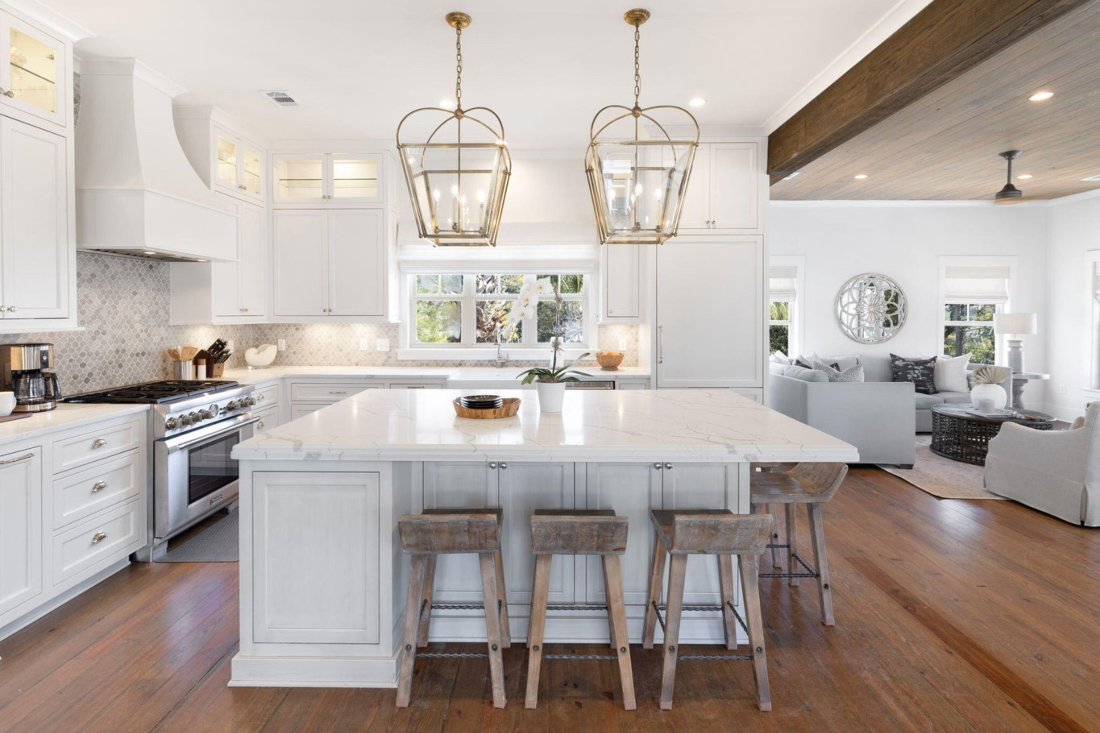
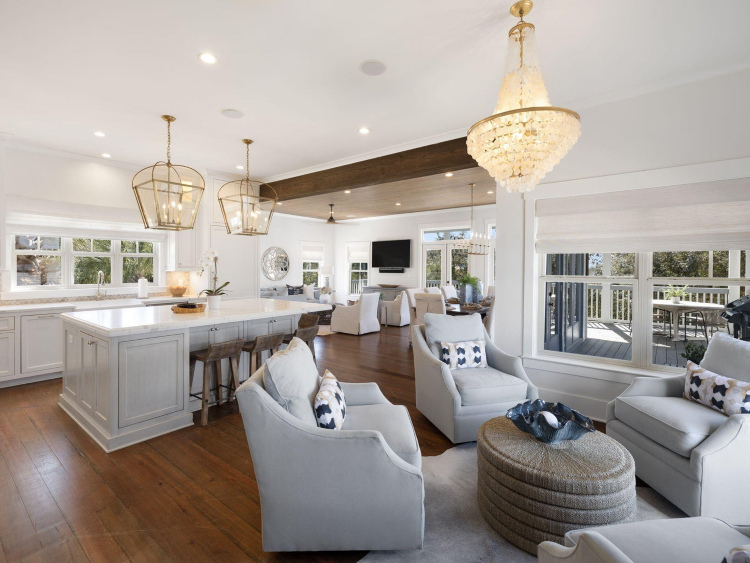
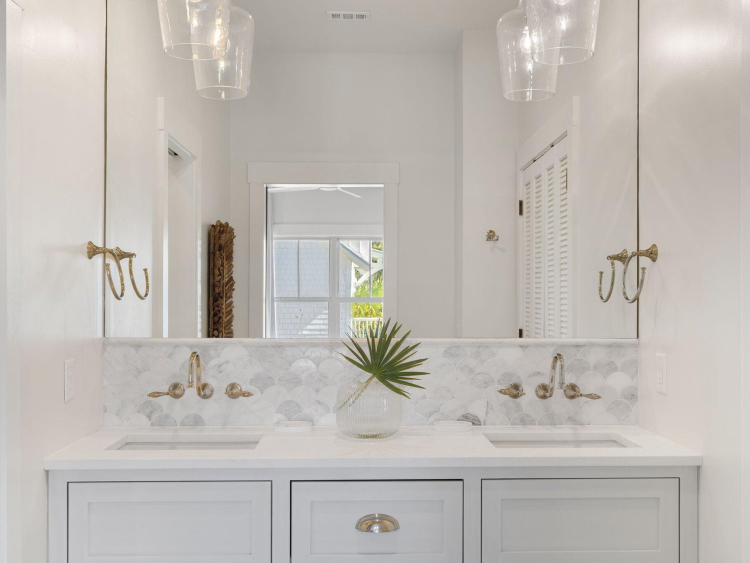
Preparation for a coastal listing goes beyond decluttering, though the basics still matter. Decluttering and deep cleaning alone can boost a home’s perceived value.
Beyond that, three areas deserve the most attention:
Coastal condition items. Salt air is hard on homes. HVAC systems, exterior finishes, decking, and outdoor fixtures are common things experienced buyers and inspectors examine. Servicing major systems before listing and keeping the records can reassure buyers that the home has been well maintained.
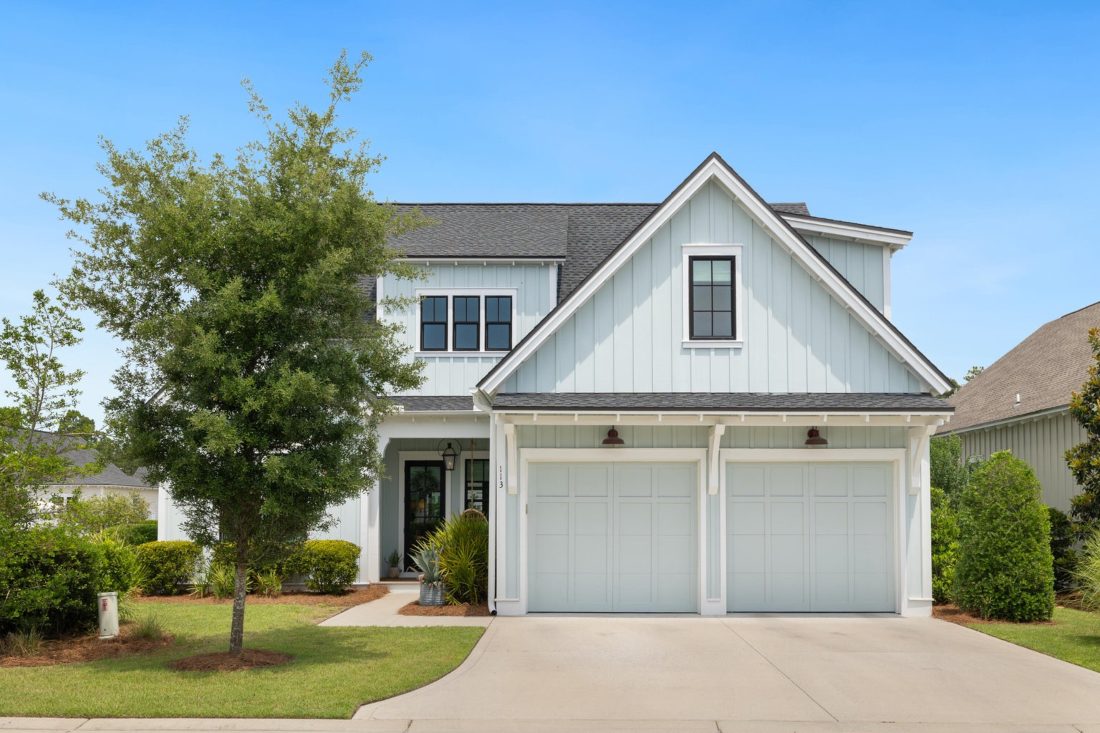
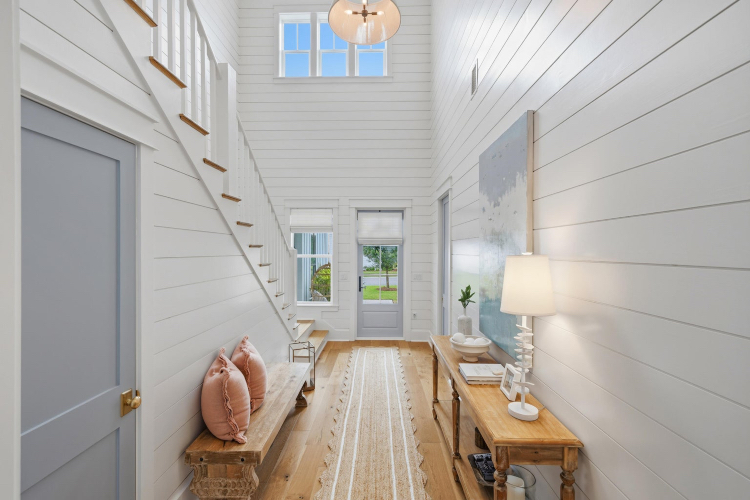
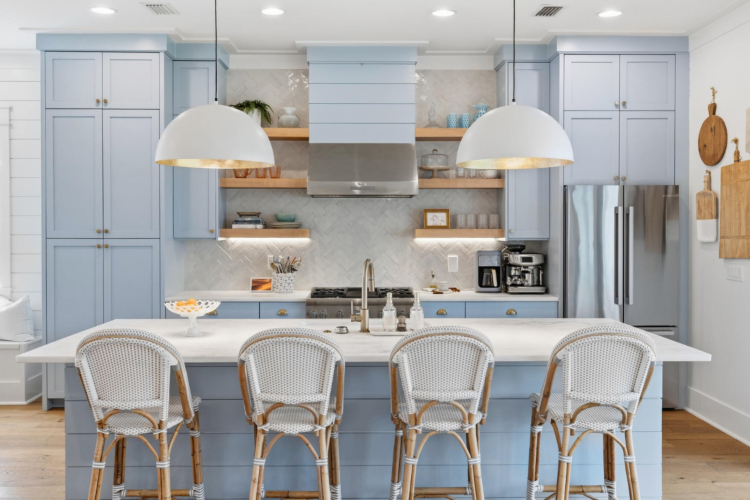
Presentation at a national standard. Because 30A buyers shop from out of state, the online presentation of your home is not a marketing extra. It is the showing. Professional photography, aerial imagery, and video should be considered standard at these price points. The best listings go a step further and tell a story. They give the buyer a feeling, drawing them into the property so they can picture the mornings on the porch, the walks to the beach, and the memories their own family would make there. A 30A home is rarely just a purchase. For most buyers, it is a vision of how they want to live, and the listing should help convey that lifestyle.
The rental story, organized. If your home has rental history, gather gross income records, occupancy data, and future bookings into a clean package. If it has never been rented, a credible rental projection can still expand your buyer pool to investors and buyers who plan to offset costs. Sellers should also plan for the paperwork: the seller’s property disclosure, HOA documents, and rental income records for the current and previous year.


Rarely through a yard sign. Because the buyer pool is national, broad exposure matters: syndication through a global brokerage network, targeted digital advertising in key feeder markets, and a social media presence that reaches people who follow the area between visits.
The common thread is that the marketing has to travel. A listing strategy only built for a local, primary-residence market will underperform here.

Whoever you interview, ask a few pointed questions: how much they have personally closed on 30A and in which communities, where their buyers come from, whether they understand short-term rental ownership and Walton County tourist development tax requirements, and how they will keep you informed if you live out of state.
“Experience matters. Ask every agent you interview how many homes they have personally closed on 30A,” says Allison.
“If they cannot answer that quickly, you may want to keep interviewing.”
And because so many 30A sellers live elsewhere, communication style matters almost as much as market knowledge.
Experienced local agents can also help identify potential issues early, from maintenance concerns to contract contingencies and the strength of an offer. That kind of judgment tends to come from deep, day-to-day familiarity with the market.
Do I need to be local to sell my 30A home? No. A large share of 30A sellers live out of state, and with the right representation, the entire process can be handled remotely, from listing preparation and showings through inspections, negotiations, and a fully remote closing. “I have sold clients a home and then years later sold that same home for them without ever meeting them in person,” Freeman says. “Living somewhere else should never keep you from selling with confidence.”
Can I sell my home with future rental bookings in place? Yes. Bookings can transfer to the new owner, be honored through closing, or be resolved by agreement. Many investors view a booked calendar as an asset. The key is to disclose and structure it correctly from the start.
Should I renovate before selling? Selectively. Full renovations rarely return their cost on a pre-sale timeline. Targeted updates, fresh paint, serviced systems, and impeccable presentation almost always do. Fresh decor and a few new furnishings can go a long way too, especially in a market where most homes sell furnished and buyers picture themselves living there. Updated bedding, current lighting, and a handful of well-chosen pieces can modernize a home in photos without the cost or timeline of a renovation.
How long does it take to sell a home on 30A? It varies by community, price point, and condition, but well-priced, well-presented homes in sought-after neighborhoods continue to move quickly. Overpriced homes sit, and on 30A, days on market erode negotiating power fast. Some agents use a phased launch strategy, beginning with private networks and local agent relationships before taking a property to the broader market. That approach can create time to gauge early interest, refine pricing, and prepare the listing before its public launch.

Every 30A home has a story, and the right buyer is usually already looking for it from somewhere else in the country. Pricing, preparation, reach, and local market knowledge can all shape the outcome.
Allison Freeman is a 30A real estate agent with Christie’s International Real Estate Emerald Coast in Florida. She lives on 30A and works with buyers and sellers across Rosemary Beach, Alys Beach, WaterColor, Seaside, Grayton Beach, and Blue Mountain Beach.